Most of us think about water in moments. A glass at the dining table. A quick rinse at the sink. A shower at the end of a long day. It’s all very… specific. Small, separate uses.
But water doesn’t really work like that. It moves through your entire home, touching everything—your skin, your food, your clothes, your appliances. And once you start looking at it that way, something shifts.
You stop thinking about “drinking water” as one thing and everything else as background. You start thinking about water as a system.
And that’s where things get interesting.
Why Treating Water at One Point Isn’t Always Enough
A lot of people begin their water journey with a small fix. A tap filter, maybe. Something under the sink. It makes sense—it’s simple, affordable, and easy to install.
But over time, you notice something.
Your drinking water might taste better, sure. But your shower still feels the same. Your bathroom still collects those stubborn spots. Your laundry doesn’t really change.
That’s because the rest of your home is still using untreated water.
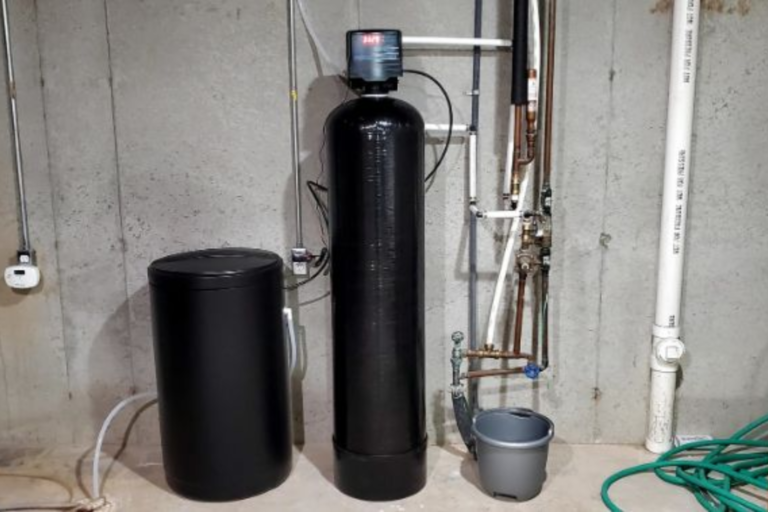
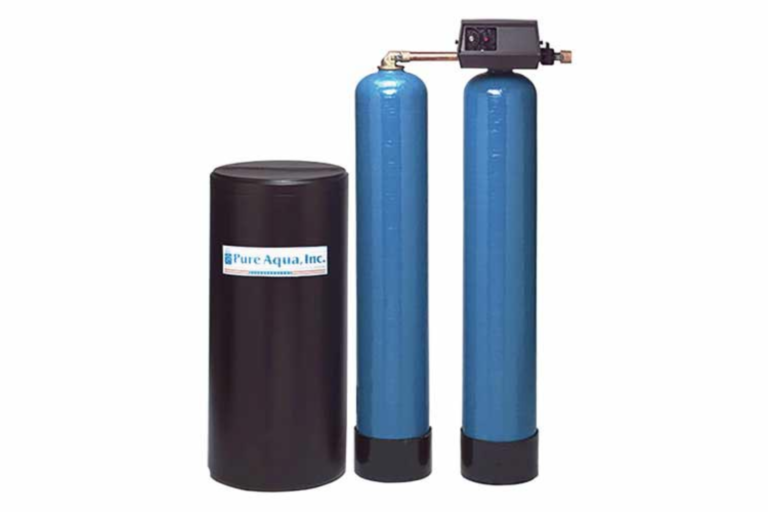
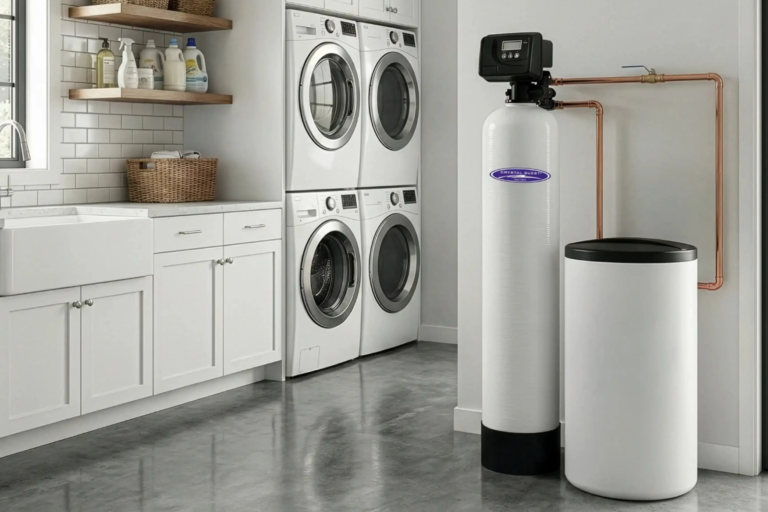
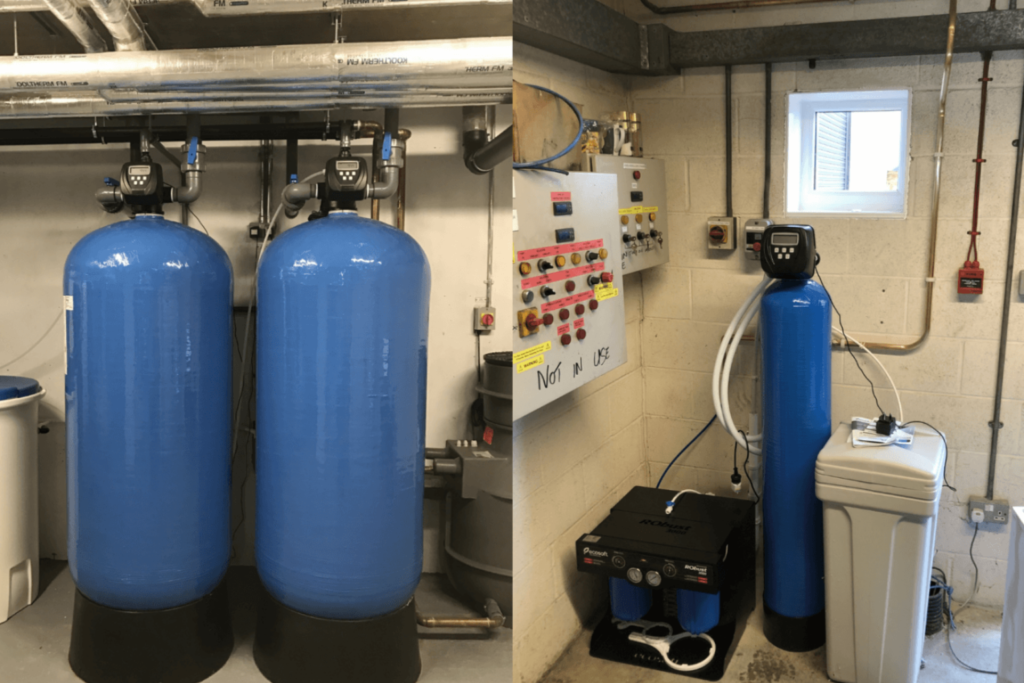
This is where whole home filtration systems start to make more sense—not as a luxury, but as a logical next step. Instead of fixing one outlet, you’re improving everything at once.
Every tap. Every shower. Every appliance.
It’s less about adding complexity and more about creating consistency.
The Quiet Impact on Daily Routines
What’s surprising is how these systems affect things you don’t immediately connect to water quality.
Take your morning shower. It’s not just about getting clean—it’s about how your skin feels afterward. Whether your hair behaves the way you expect. Whether you step out feeling refreshed or slightly irritated.
Or think about cleaning. When water carries impurities, surfaces don’t stay clean for long. You wipe, scrub, repeat—and still feel like you’re chasing the same spots over and over again.
When filtration improves, those small frustrations start to fade. Not overnight, but gradually. And once they’re gone, you realize how much effort you were putting in before just to keep things manageable.
What’s Actually Being Removed (And Why It Matters)
Now, let’s talk about what’s really happening behind the scenes.
Water often carries more than just minerals. There can be tiny particles—sand, rust, organic matter—that make their way into your home’s supply. Add to that chlorine, which is commonly used in municipal systems, and you’ve got a mix that affects both taste and experience.
That’s where sediment & chlorine reduction plays a role. It’s not about making water “perfect”—it’s about removing the elements that interfere with how it feels, smells, and behaves.
Once those are filtered out, water starts to feel… neutral again. And that neutrality? It’s surprisingly refreshing.
No strange odors. No unexpected textures. Just clean, consistent flow.
The Difference You Feel Before You See
One of the most interesting things about better water is how you notice it.
It’s not always visual. In fact, the first changes are often felt rather than seen.
Your skin doesn’t feel as dry. Soap rinses off more easily. Your hair feels lighter, less weighed down.
Only later do you start noticing the visual side—clearer glassware, fewer spots on fixtures, less buildup over time.
It’s a bit like improving air quality in your home. You don’t always see it, but you definitely feel it.
A Shift in How You Think About Water
Once your entire home is running on filtered water, your perspective changes.
You stop thinking about water as something you have to “fix” in certain places. Instead, it becomes something that just works—everywhere.
Cooking feels more consistent. Cleaning becomes easier. Even simple things, like washing fruits or filling a kettle, feel more reliable.
It’s not about perfection. It’s about removing the variables that used to make things slightly inconvenient.
Is It Worth It? That Depends on Your Experience
This is the question everyone eventually asks.
And the answer isn’t the same for everyone.
If you’ve never noticed issues with your water, you might not feel an immediate need. But if you’ve been dealing with taste differences, odors, residue, or just a general sense that your water could be better—then yes, it can make a meaningful difference.
The key is not to approach it as a trend or a must-have upgrade. It’s about solving real, everyday problems.
A Change That Settles Into the Background
Here’s the part I find most interesting—once you improve your water, you stop thinking about it again.
Not because it doesn’t matter, but because it finally feels right.
There’s no second guessing when you pour a glass. No extra effort when you clean. No small annoyances that keep showing up day after day.
It just works.
In the End, It’s About Consistency
We often chase big changes—things that are visible, noticeable, impressive.
But water isn’t like that.
Its impact is quiet, steady, woven into every part of your day. And when you improve it across your entire home, the difference isn’t loud—it’s consistent.
And sometimes, that’s exactly what you need.