
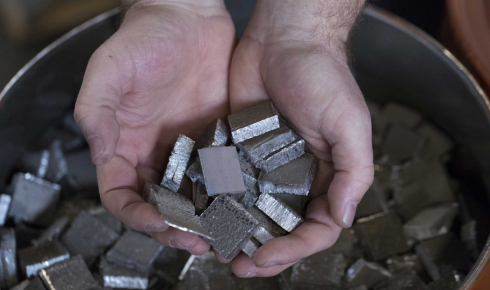
As industries across the world move towards sustainability and resource efficiency, the spotlight is gradually shifting from mainstream metals like aluminium and copper to lesser-discussed yet equally critical materials, such as tin and antimony. These rare metals play a vital role in electronics, energy storage, alloys, and industrial applications, making tin recycling and antimony recycling increasingly important within the broader landscape of metal recycling.
With limited natural reserves and rising global demand, recycling these metals is essential.
Why Tin and Antimony Matter?
Tin and antimony are key components in several industrial applications:
- Tin is widely used in soldering (especially in electronics), coatings, and alloys
- Antimony is primarily used in flame retardants, batteries and lead alloys
In fact, lead alloys, which account for a significant share of industrial demand, often include combinations, such as lead-antimony, lead-tin and lead-calcium. These alloys are critical for battery manufacturing, solders, and other industrial uses.
As industries like electronics, renewable energy and automotive continue to grow, the demand for these metals is expected to rise steadily, thereby creating strong opportunities for tin recycling and antimony recycling.
The Growing Need for Recycling Rare Metals
Unlike bulk metals, tin and antimony have relatively constrained primary supply chains. Mining these metals is resource-intensive and environmentally challenging.
This is where recycling plays a crucial role:
- Reduces dependence on virgin mining
- Minimises environmental impact
- Ensures supply continuity for critical industries
- Enhances cost efficiency for manufacturers
As a result, recycling these metals is becoming a strategic priority for industries worldwide, especially in markets like India where demand is rising rapidly.
India’s Opportunity in Rare Metal Recycling
India is uniquely positioned to emerge as a strong player in rare metal recycling. With a growing base of organised metal recycling infrastructure and increasing regulatory focus on sustainability, the country is witnessing a shift towards more advanced recycling practices.
The expansion of recycling plant in India facilities, equipped to handle multi-metal recovery, is enabling the extraction of value from complex waste streams, including low-grade and mixed scrap.
Additionally:
- Rising e-waste volumes are creating new sources of tin and antimony
- Growth in battery and electronics manufacturing is driving demand
- Policy support and ESG commitments are encouraging recycling adoption
Together, these factors are accelerating the growth of tin recycling and antimony recycling as key segments within India’s circular economy.
Challenges to Address
Despite the opportunity, several challenges remain:
- Limited specialised facilities for rare metal recovery
- Complexity in processing mixed and low-grade scrap
- Need for advanced refining technologies
- Fragmented supply chains for scrap collection
Addressing these challenges will be critical for scaling the sector and improving the quality of recycled output.
The Future: From Niche to Necessity
As industries move towards sustainable sourcing, rare metal recycling will transition from a niche segment to a mainstream industrial necessity. Companies that invest early in capabilities across tin recycling, antimony recycling, and multi-metal recovery will gain a significant competitive advantage.
In this evolving landscape, established players are already expanding their capabilities to include newer recycling domains. Under the leadership of Kamlesh Jain, Jain Resource Recycling continues to expand into new recycling domains, aligning with the growing demand for sustainable materials.
Such strategic diversification reflects a broader industry trend: moving beyond traditional metals to unlock value from rare and complex materials. As India strengthens its position in sustainable manufacturing, recycling plants in India will play a pivotal role in ensuring that even the scarcest metals are recovered, reused, and reintegrated into the economy.