efficient layout
There’s a moment in almost every home when the kitchen starts to feel… off. Not broken, not necessarily ugly — just slightly out of sync with real life. Maybe you’re bumping into each other while cooking. Maybe storage feels like a daily puzzle. Or maybe the space simply doesn’t reflect who you are anymore.
Kitchens have evolved. They’re no longer tucked-away rooms used only for cooking. They’re social hubs, homework stations, remote offices, and late-night conversation spots. And when a kitchen doesn’t support all of that, you feel it.
Designing a better kitchen isn’t about chasing trends. It’s about building something that fits your routines naturally — almost invisibly.
The Case for Thoughtful Storage
Let’s talk about cabinets first. Not the glamorous part, perhaps, but the backbone of the space.
Standard cabinets often leave awkward gaps — too deep for small items, too shallow for larger cookware. That’s where custom cabinetry can completely shift the experience. Instead of adjusting your habits to fit the cabinets, the cabinets adjust to fit you.
Pull-out spice racks. Deep drawers for pots. Hidden trash compartments. Built-in organizers that prevent clutter from taking over. These aren’t flashy upgrades, but they’re transformative.
When everything has a place, mornings run smoother. Cooking feels less chaotic. Even cleaning up feels… manageable.
And the aesthetic benefit? Clean lines and intentional storage create visual calm. No more countertop overload.
Flow Over Flash
Before picking finishes or fixtures, consider how you move through your kitchen. Where do you stand when chopping vegetables? Where do you store plates? How many people cook at once?
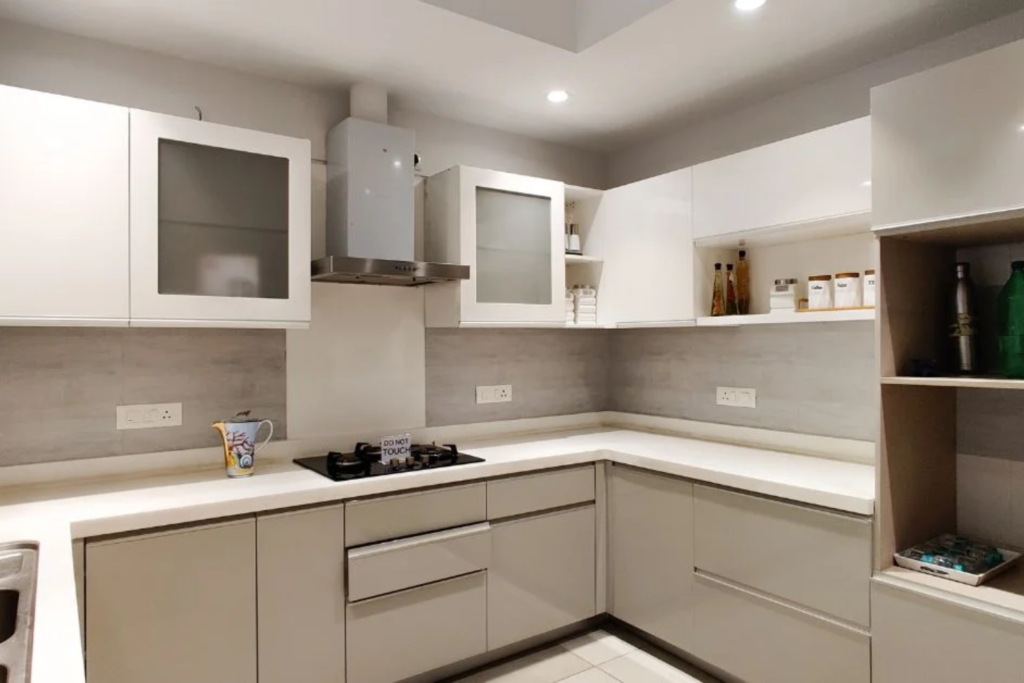
An efficient layout doesn’t just look good — it saves time and frustration. The traditional “work triangle” still holds value, but real-life use matters more than textbook rules.
If you constantly walk across the room for utensils, relocate them. If the refrigerator blocks the main pathway when open, rethink placement.
Sometimes improving layout means removing a bulky island. Other times it means adding one. It depends entirely on your space and habits.
And don’t underestimate the impact of small adjustments. Even shifting appliances a few feet can create smoother traffic flow.
Technology Without Overcomplication
Kitchens are becoming smarter — but smarter doesn’t have to mean overwhelming.
Today’s modern kitchen features range from touchless faucets to smart ovens you can control from your phone. Built-in charging stations. Under-cabinet lighting with dimmers. Drawer-style microwaves that free up counter space.
The key is selecting technology that actually improves daily life.
If you rarely bake, a high-end smart oven might not matter. But if you entertain frequently, upgraded appliances and integrated sound systems could enhance gatherings.
Technology should feel helpful, not intrusive.
Balancing Personality and Longevity
It’s easy to get swept up in trends — bold cabinet colors, dramatic backsplashes, statement lighting. Some trends age beautifully. Others fade quickly.
The safest approach? Build a neutral foundation and layer personality on top.
Classic cabinet shapes. Timeless flooring. Subtle hardware.
Then add character with lighting, bar stools, art, or even paint that can be updated later.
That way, your kitchen evolves without requiring another renovation five years down the line.
Budget Realism
Kitchen renovations can escalate fast. One upgrade leads to another, and suddenly the budget feels stretched thin.
Prioritize what impacts daily life most. If storage frustrates you, invest in cabinetry. If layout slows you down, address that first. If appliances struggle to perform, replace them strategically.
Phased renovations are entirely valid. You don’t need to change everything at once to see meaningful improvement.
And always plan for unexpected costs — especially in older homes where hidden plumbing or electrical issues may surface.
Living Through the Renovation
Even minor kitchen updates disrupt routine. Dust, temporary appliance setups, takeout dinners.
Preparing ahead of time makes it easier. Create a small prep station elsewhere. Keep essentials accessible. Accept that the space might look worse before it looks better.
Renovation is rarely glamorous in the middle. But it’s temporary.
The Emotional Shift
When the work is finished and you step into the new space for the first time, something changes.
You notice how easily you move from stove to sink. How organized drawers reduce mental clutter. How lighting makes the room feel warmer at night.
It’s not just visual. It’s functional. Emotional, even.
A well-designed kitchen reduces daily friction. And over time, those small improvements add up.
Final Thoughts: Build for Your Real Life
Designing a kitchen shouldn’t be about impressing guests or copying magazine spreads. It should reflect your habits, your routines, your personality.
Thoughtful storage, smart layout decisions, and carefully chosen features create a space that feels intuitive rather than forced.
Because at the end of the day, the best kitchens don’t just look modern.
They feel effortless.
And when your kitchen works effortlessly, the rest of your home — and your day — tends to follow.