drinking water contaminants
Let’s be honest—most of us don’t give much thought to the water flowing from our taps. We fill our bottles, brew our coffee, run a load of laundry, and move on with our day. But here’s the thing: just because water looks clear doesn’t mean it’s clean.
Water can be tricky like that. Odorless. Tasteless. Sometimes even colorless. But hidden in those innocent-looking drops could be things you’d never want to invite into your home—let alone your body.
This isn’t meant to freak you out. It’s just a reality check—and a gentle nudge to pay closer attention to what you’re drinking, bathing in, and cooking with every single day.
The Dirty Truth About “Clean” Water
Municipal water goes through a lot before it reaches your sink. And while cities work hard to meet safety standards, things can still slip through. Rusty pipes. Aging infrastructure. Unexpected runoff after heavy rains. Even the treatment process itself can introduce chemicals into your water.
The result? A growing number of homes across the U.S. (and globally) are facing issues with contaminated water. It’s not just something that happens in rural areas or developing countries. From small towns to big cities, water quality is becoming a concern—and the consequences aren’t always visible.
You might not taste the problem, but over time, those invisible particles can affect everything from your health to your home appliances.
What’s Actually in Your Water?
The short answer? A little bit of everything.
The long answer involves a laundry list of possible culprits. Chlorine. Lead. Arsenic. Nitrates. Fluoride. Microplastics. Bacteria. Even pesticides and pharmaceutical residues.
These drinking water contaminants can come from a variety of sources—some natural, some man-made. And while regulations exist, they don’t always cover everything. Plus, contamination can occur after the water leaves the treatment plant (think: old pipes in your neighborhood or even inside your own home).
It’s not about being paranoid. It’s about being informed. Knowing what might be in your water gives you the power to do something about it.
Signs Something’s Off
Some issues are obvious. If your water smells like rotten eggs, has a weird tint, or leaves reddish stains in your toilet bowl, something’s definitely not right.
But many problems are subtle. You might experience dry skin, unexplained fatigue, or recurring stomach issues. Your clothes might wear out faster. Your coffee might taste just a little “off.” Alone, these things seem small. But together? They point to a need to take your water seriously.
So… What Can You Do?
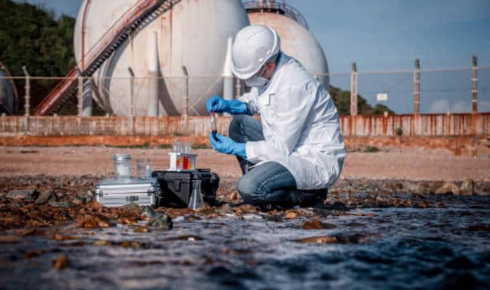
Start with knowledge. A basic at-home water test can tell you a lot. But for deeper insights, lab-based analysis is the way to go. It’s more precise and can detect things those little strips can’t.
Once you know what’s in your water, you can tackle your water purification needs head-on. And thankfully, you’ve got options.
- Activated Carbon Filters: Great for removing chlorine, odors, and some organic compounds.
- Reverse Osmosis Systems: Excellent for filtering out heavy metals, fluoride, and a wide range of chemical contaminants.
- UV Disinfection: Kills bacteria and viruses without adding anything to your water.
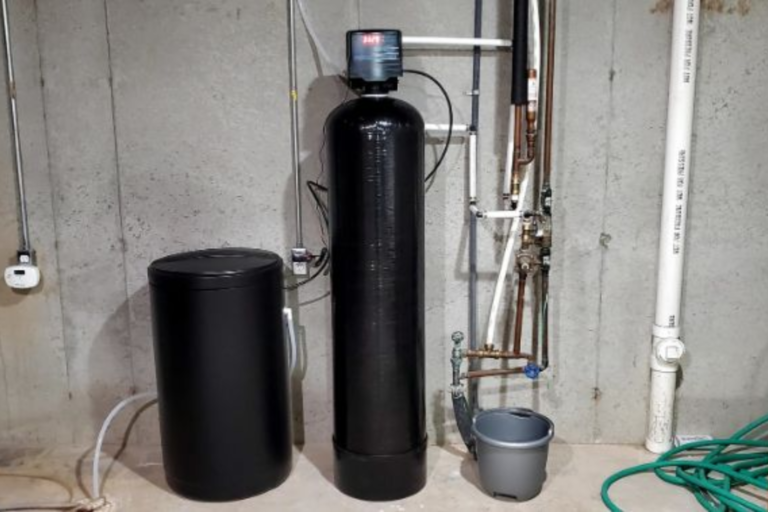
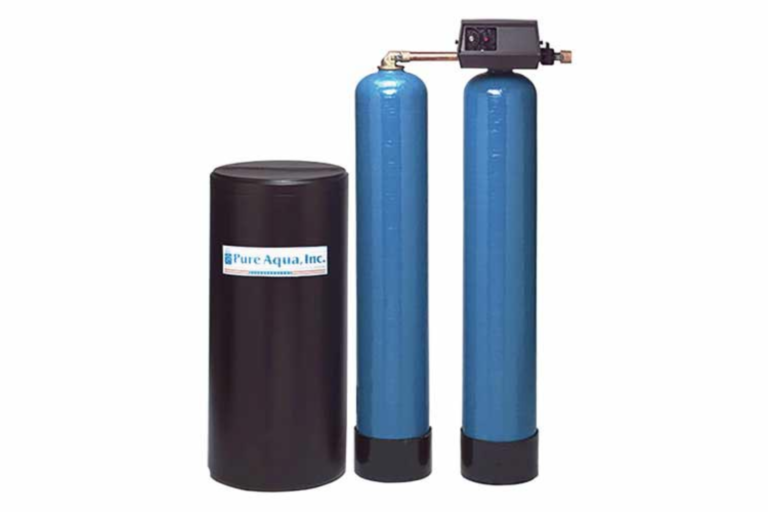
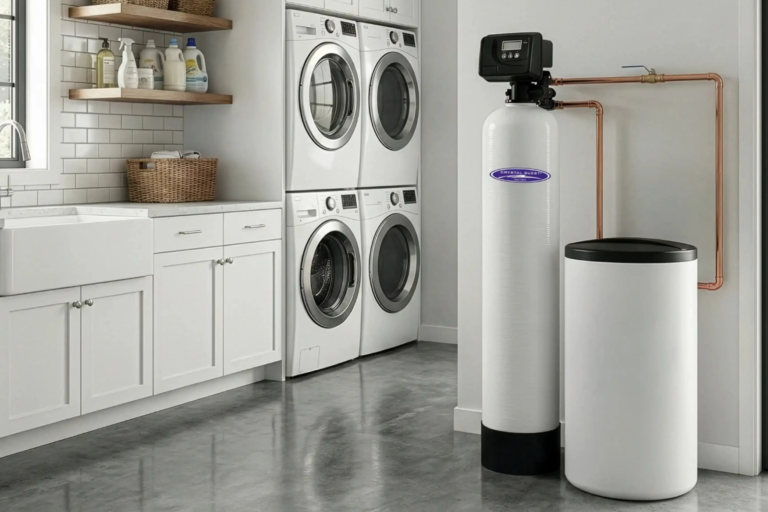
- Whole-House Filtration: Treats all the water entering your home—ideal if you’re dealing with sediment, sulfur, or high levels of minerals.
The right solution depends on what’s actually in your water and what you care about most—taste, health, appliance longevity, or all of the above.
Why This Isn’t Just a “Health Nut” Problem
You don’t need to be an eco-warrior or a wellness junkie to care about clean water. You just need to be someone who drinks it, showers in it, and gives it to your kids and pets.
Think of it like this: you wouldn’t knowingly cook with spoiled food, right? So why pour a glass of water that might be doing more harm than good?
Taking action on your water quality isn’t overkill. It’s just a smart, responsible step—like checking your smoke detectors or servicing your car.
Clean Water, Clear Mind
There’s something deeply satisfying about knowing your water is safe. That your morning coffee isn’t laced with chlorine. That your kids’ sippy cups aren’t full of trace metals. That your shower leaves you feeling refreshed—not itchy.
Clean water changes the way you live, subtly but profoundly. And once you make the switch to filtered, purified water? You’ll wonder how you ever went without it.
Final Thoughts: Don’t Wait for a Crisis
Flint. Jackson. Newark. These aren’t isolated events. They’re reminders that we can’t always take “safe water” for granted. And while your local water might seem fine today, small issues can snowball fast.
So test your water. Understand what’s in it. And make the changes that feel right for you and your home. Because when it comes to water, peace of mind is everything.