residential water treatment
It’s strange how something so essential can go almost completely unnoticed.
Water flows through your home all day—quietly, consistently—filling glasses, rinsing vegetables, running through showers and washing machines. It’s part of everything, yet rarely the focus of anything.
Until, of course, something feels off.
Maybe it’s a taste you can’t quite place. Maybe your skin feels drier than usual, or your appliances don’t seem to last as long as they should. These aren’t big, alarming problems. Just small signals. Easy to ignore, but hard to forget once you notice them.
And that’s usually where the curiosity begins.
When “Normal” Water Stops Feeling Normal
Most of us grow up assuming water is just… water. It comes from the tap, it’s safe, and that’s the end of it.
But the reality is a bit more layered.
Water can carry minerals, chemicals, or trace elements depending on where you live and how it’s treated. Some of these are harmless. Others are simply inconvenient. But together, they shape how water feels, tastes, and interacts with your home.
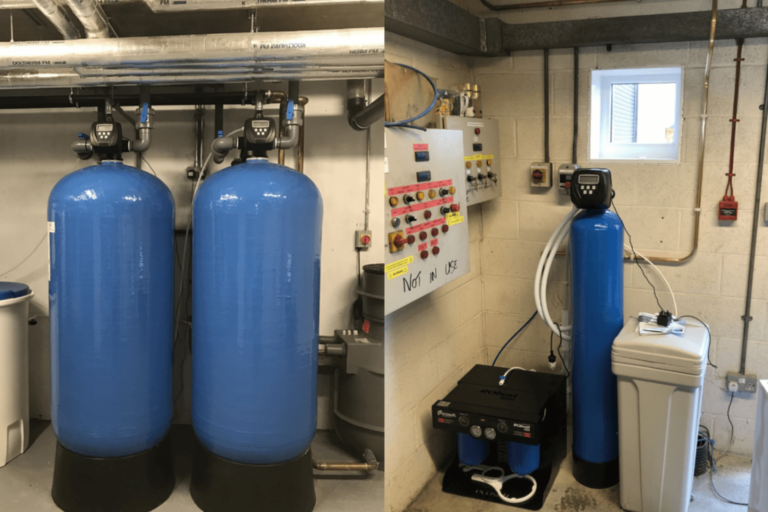
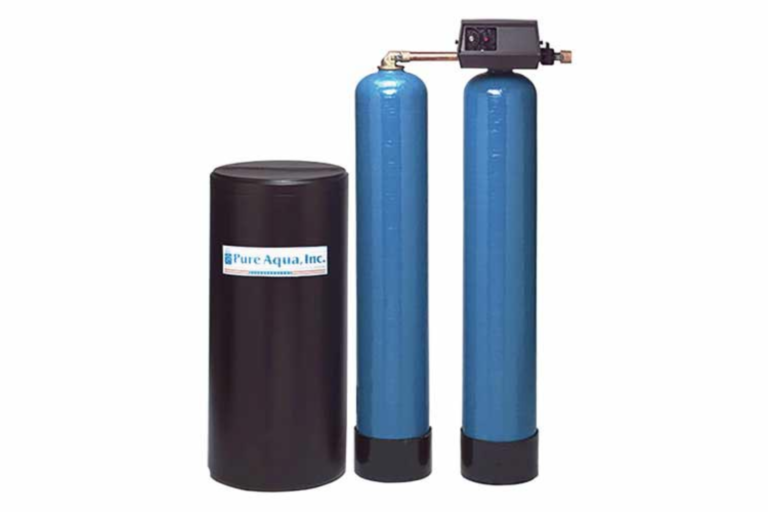
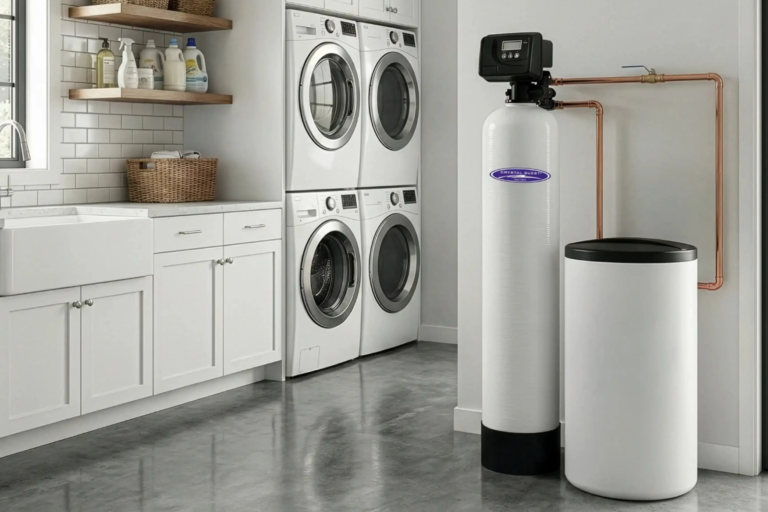
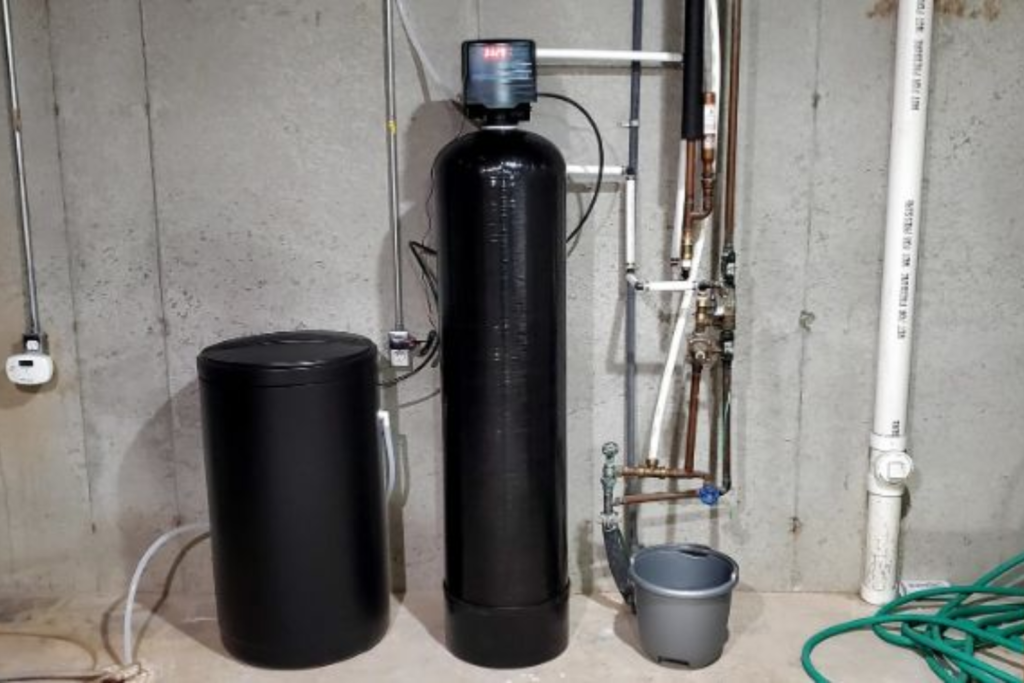
That’s why residential water treatment has become less of a luxury and more of a thoughtful upgrade. Not because something is “wrong,” but because there’s room for improvement.
And once you realize that, it’s hard to unsee.
A One-Size-Fits-All Approach Rarely Works
Here’s something many people don’t realize at first—there’s no universal solution for water.
Two homes on the same street can have slightly different water profiles. Factors like plumbing, source supply, and even seasonal changes can affect quality.
So when it comes to improving water, a generic system often falls short.
That’s where customized home systems come in.
Instead of applying a broad fix, these solutions are tailored to your specific water conditions. Maybe your water has excess hardness. Maybe it carries a chlorine aftertaste. Maybe it’s something else entirely.
The point is, you’re not guessing. You’re responding to what your home actually needs.
The Changes You Feel Before You See
What’s interesting about improving water quality is how subtle the transformation feels.
There’s no dramatic moment where everything suddenly changes. Instead, it’s a series of small shifts.
Your showers feel softer. Your laundry comes out cleaner. Your dishes don’t have that cloudy film anymore.
Even your morning glass of water feels a bit more refreshing—lighter, easier to drink.
These aren’t headline-worthy changes. But they add up.
And over time, they redefine what “normal” feels like.
Beyond Comfort: Thinking About Long-Term Impact
It’s easy to focus on how water feels in the moment. But there’s another side to it—what it does over time.
Hard water, for example, can slowly build up inside pipes and appliances. Chlorine can affect taste and smell. Sediment can reduce efficiency in ways you don’t immediately notice.
Individually, these issues might seem minor. But together, they create wear and tear that shows up later—often when it’s inconvenient.
Improving your water isn’t just about comfort. It’s about prevention.
The Idea of “Better” Water Is More Personal Than You Think
Not everyone is looking for the same thing.
Some people want softer water for their skin and hair. Others care about taste, especially for drinking and cooking. Some are focused on protecting their plumbing and appliances.
And then there are those who just want peace of mind.
That’s where the idea of healthier water comes into play—not in a dramatic, overhyped way, but in a practical, everyday sense.
Water that feels clean. Tastes right. Works with your home instead of against it.
It’s not about perfection. It’s about confidence.
Starting Simple Makes All the Difference
If you’re thinking about improving your water, the best place to start is with understanding.
A simple water test can reveal a lot—what’s present, what’s excessive, and what might need attention. It removes the guesswork and gives you a clear starting point.
From there, decisions become easier.
You’re not chasing trends or buying into marketing promises. You’re choosing a solution based on actual needs.
And that makes the entire process feel more grounded.
A Change That Blends Into Everyday Life
One of the most appealing things about upgrading your water is how naturally it fits into your routine.
There’s no daily effort required. No extra steps to remember.
You just use water the way you always have—only now, it feels better.
And after a while, you stop thinking about it altogether.
Until, perhaps, you’re somewhere else, using different water, and you notice the difference again.
Why This Quiet Upgrade Matters
We often associate home improvements with visible changes—new furniture, fresh paint, renovated spaces.
But some of the most meaningful upgrades are the ones you don’t see.
They’re the ones that improve how your home functions, how it feels, how it supports your daily life.
Better water falls into that category.
The Everyday Comfort You Didn’t Know You Were Missing
At the end of the day, water is something you interact with constantly.
It’s part of your routines, your habits, your comfort.
So when you improve it—even slightly—the impact spreads further than you might expect.
Not in a loud, attention-grabbing way. But in a steady, reliable, almost invisible way.
And sometimes, that’s exactly what makes it worth it.
Because the best changes aren’t always the ones you notice immediately.
They’re the ones that quietly make everything else feel just a little bit better.