
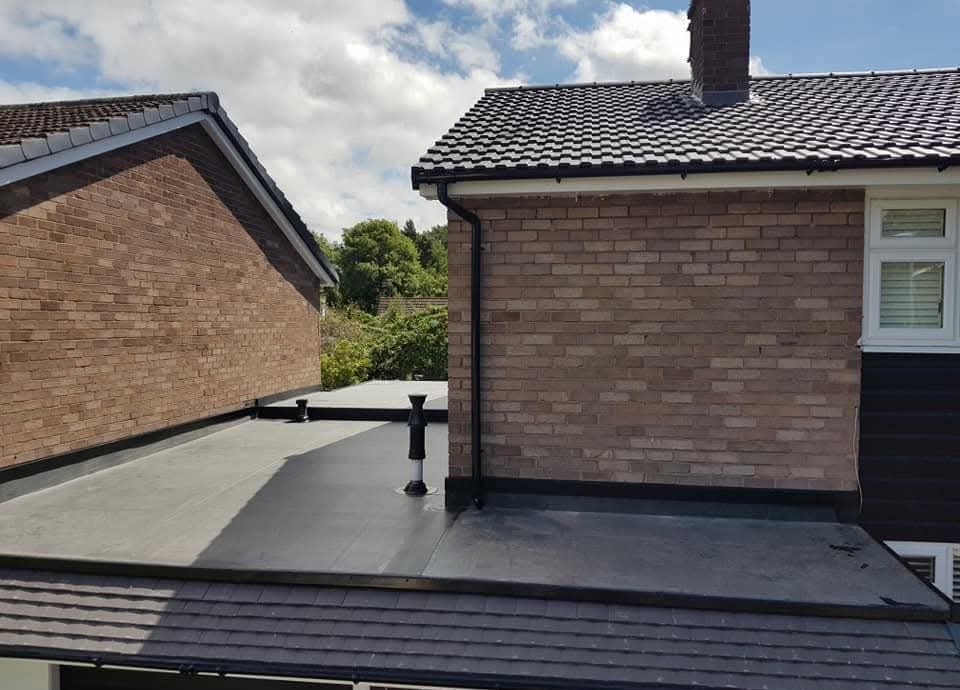
A roof doesn’t always need a steep slope to protect a building effectively. Many homes, garages, extensions, and commercial properties use low-slope designs that create a clean, practical appearance while making good use of the space beneath them. These roofs can work extremely well, but they need the right materials, careful installation, and regular attention to drainage.
If you’re considering a new roof or dealing with recurring leaks, understanding your options can save you time, money, and frustration. The best roofing decision isn’t simply about choosing a product that looks good. It’s about finding a system that suits your building, handles local weather, and performs reliably over the years.
Understanding How Flat Roofs Work
Despite the name, most flat roofs aren’t completely level. They usually have a slight slope that directs rainwater toward drains, gutters, or designated outlets. Without this subtle fall, water can collect on the surface and place unnecessary stress on the roofing system.
Flat roofing is commonly used on extensions, apartment buildings, garages, retail spaces, and other structures where a low-profile design makes sense. Depending on the building, the roofing system may use materials such as modified bitumen, EPDM rubber, TPO, PVC, or liquid-applied coatings.
Each option has different characteristics. Some systems are flexible and suitable for buildings that experience movement or changing temperatures. Others offer heat-welded seams or reflective surfaces that may be beneficial in certain climates. The right choice depends on the roof’s design, how the space is used, local weather conditions, and the available budget.
It’s worth discussing these details with a qualified roofing contractor rather than selecting a material based on price alone. A product that performs well on one building may not be appropriate for another.
Why Drainage Should Never Be an Afterthought
Water management is one of the most important parts of a low-slope roof. Even a durable membrane can develop problems if water regularly collects in the same place or drains are blocked by leaves and debris.
Some standing water may remain briefly after rainfall, depending on the roof design and manufacturer’s guidance. However, persistent pooling deserves attention. It may indicate inadequate slope, a blocked outlet, a sagging section, or another drainage issue.
Homeowners should keep roof drains, scuppers, and accessible gutter outlets clear. Downspouts should also carry water away from vulnerable parts of the building. If you notice recurring puddles, bubbling materials, or leaks near an outlet, have the area assessed before the damage spreads.
Drainage problems are not always easy to identify from inside the property. Water can travel beneath roofing layers before becoming visible on a ceiling. That means the stain you notice in a room may not sit directly below the original leak.
Recognizing the Signs of Roof Damage
Most roofing problems begin quietly. A small crack, loose seam, damaged flashing, or puncture around rooftop equipment might not seem urgent at first. But repeated exposure to rain and sunlight can gradually turn a minor defect into a costly repair.
Inside the building, look for new water stains, peeling paint, damp insulation, or persistent musty odors. On the exterior, a professional may identify blistering, open seams, damaged membrane edges, or deterioration around vents and other penetrations.
After severe weather, arrange an inspection if you suspect damage. Avoid walking across the roof yourself, since some surfaces become slippery and certain systems can be damaged by unnecessary foot traffic.
It’s also helpful to keep a record of previous repairs. If the same area keeps leaking, the underlying problem may not have been resolved. Repeated patching can become expensive when the actual cause involves poor drainage, failing flashing, or an installation defect.
Finding a Contractor You Can Trust
Choosing a roofing contractor can feel daunting, particularly when several companies offer different recommendations. One may suggest a simple repair, while another recommends replacing the entire system. Before making a decision, ask each contractor to explain the condition of the roof and the reasons behind the proposed work.
A written free estimate can be a useful first step when comparing your options. Ask whether the estimate includes labor, materials, removal of existing roofing, disposal, flashing, drainage improvements, and cleanup. Clarify how unexpected damage will be priced if it becomes visible after the project begins.
Remember that an estimate is only as useful as the information it contains. A very low price may exclude important work or rely on assumptions that later increase the total cost. A detailed quote makes it easier to compare contractors fairly.
You should also ask about insurance, relevant qualifications, experience with your particular roofing system, and expected project timelines. A dependable professional should answer reasonable questions without pressuring you into an immediate decision.
What Other Customers Can Tell You
A contractor’s website may look polished, but it doesn’t necessarily show how the company handles real projects. Feedback from previous customers can provide another perspective on communication, reliability, workmanship, and how problems are handled.
Reading customer reviews can help you spot useful patterns. For example, several people might mention that a contractor explained the work clearly, arrived when promised, and left the site tidy. On the other hand, repeated complaints about missed appointments or unresolved leaks deserve closer consideration.
Don’t judge a business on one review alone. Look at a range of feedback, consider how recent it is, and pay attention to how the company responds to concerns. A thoughtful response to a complaint may be more informative than a collection of vague five-star comments.
Where possible, ask for references or examples of completed projects similar to yours. Experience with the specific roofing material and building type can matter more than a general claim of expertise.
Understand the Full Cost of a Roofing Project
Roofing costs vary according to the roof’s size, accessibility, existing condition, chosen material, and the amount of preparation required. A small roof with easy access may be relatively straightforward, while a larger structure with rooftop equipment and complex drainage can require considerably more work.
The cheapest option isn’t always the most economical over time. A low-cost material may have different maintenance requirements from a more durable system, while poor installation can undermine even a premium product.
Ask contractors to explain the expected service life, maintenance schedule, warranty coverage, and likely repair needs of each option. If insulation needs improvement or the existing roof deck is damaged, addressing those issues during the project may be more practical than postponing them.
You should also understand what the warranty covers. Material warranties and workmanship warranties are not necessarily the same, and exclusions may apply. Keep copies of the signed contract, invoices, product details, and completion records.
Maintenance Makes a Lasting Difference
Once the new roof is installed, a little routine care can help protect your investment. Schedule periodic professional inspections based on the manufacturer’s recommendations and the roof’s exposure to weather. Keep drainage outlets clear, monitor areas around rooftop equipment, and arrange repairs when damage appears.
Maintenance should be appropriate for the specific system. Some membranes require different cleaning methods or restrictions on which products can be used. Always follow the manufacturer’s instructions and avoid unapproved coatings or repairs that could affect the warranty.
After storms, check for visible debris or signs of water intrusion from a safe location. Prompt attention can prevent a small defect from affecting insulation, ceilings, and other parts of the building.
Make the Decision With Confidence
A well-designed low-slope roof can provide reliable protection for many years, but success depends on more than the material itself. Drainage, installation quality, suitable product selection, and ongoing maintenance all play a role.
Take time to understand the condition of your existing roof, compare detailed estimates, and choose a contractor who explains the options clearly. Ask questions, review the warranty, and consider long-term value alongside the upfront price.
With thoughtful planning and regular care, you can make a roofing decision that suits your building, respects your budget, and gives you greater confidence whenever the weather turns rough.