iron in water
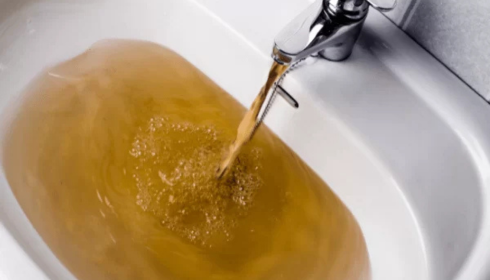
It’s easy to take water for granted. You turn on the faucet and expect a clear, clean stream to pour out, ready for drinking, cooking, or bathing. But what happens when that crystal flow starts looking a little rusty… or smelling a bit funky? What if your white laundry starts turning a soft shade of orange, or your shower tiles get stained no matter how often you scrub?
Welcome to the world of water issues—those sneaky little invaders that turn everyday tasks into head-scratchers. And while it might seem like a hassle now and then, water problems can actually point to deeper concerns lurking behind your walls or under your yard.
Let’s unravel the mystery of your tap water together.
That Slight Metallic Taste Isn’t Your Imagination
One of the most common complaints people have about their water is taste. That slight metallic tang might seem harmless at first—maybe your pipes are just old, or maybe it’s the plumbing in the neighborhood.
But here’s the thing: that flavor is often caused by iron in water.
Iron is naturally present in groundwater. In small amounts, it’s not necessarily harmful, but it can be a major nuisance. Stains on sinks, bathtubs, or freshly laundered clothes? Check. Clogged plumbing fixtures or appliances? Yup. A general sense that your water smells like pennies? That too.
And while iron isn’t toxic in the way lead or arsenic is, it can still affect your water quality—and your peace of mind. Plus, if you’re using well water, you’re even more likely to experience elevated iron levels, especially after heavy rain or flooding.
Staining, Smell, and the Sneaky Culprit: Manganese
Now let’s talk about manganese.
Never heard of it? You’re not alone. Manganese doesn’t get the spotlight much, but it’s a frequent co-star in households with well water or aging infrastructure.
Like iron, manganese in water isn’t typically dangerous in small amounts. In fact, your body needs trace levels of it for health. But in water? That’s a different story.
Excess manganese can cause dark staining—think black or purple gunk around faucets, toilets, or laundry machines. And the worst part? These stains are tough to remove. You can bleach them out once or twice, but they tend to come back unless you deal with the root cause.
And don’t get us started on the smell. Some people report a musty or swampy odor when manganese levels get too high. It’s not something you can easily ignore when brushing your teeth or washing your hands.
The Ripple Effect of Untreated Issues
So what happens when you let these things slide?
At first, you might not notice much. Maybe your white t-shirts get dingy a little faster or your shower needs extra scrubbing. But over time, the effects stack up.
Water heaters can clog. Washing machines can break down. Plumbing fixtures corrode. And guess what? All of this costs money—lots of it.
And then there’s the long-term health angle. While iron and manganese aren’t acutely toxic, long-term exposure to high levels might have health implications, particularly for vulnerable groups like infants or those with specific health conditions.
Also, some bacteria thrive in iron-rich environments. That rusty tint in your water could be creating the perfect ecosystem for unwanted microbial growth—not exactly what you want in your drinking water.
Testing: Know Thy Water
Before you panic and rip out your plumbing, start with the basics—get your water tested.
You can buy a test kit online or hire a local lab to analyze your water source. Ideally, you’ll want a comprehensive report that covers not just iron and manganese, but other usual suspects like hardness, pH, lead, nitrates, and more.
Once you have the data, you’ll know whether your problem is aesthetic (like mild staining or odd taste) or potentially more serious.
If you’re on well water, make this an annual habit. Groundwater conditions shift over time, especially with changes in rainfall, land development, and nearby agriculture.
Fixes That Actually Work (And Some That Don’t)
Okay, you’ve confirmed that there’s too much iron or manganese in your water. Now what?
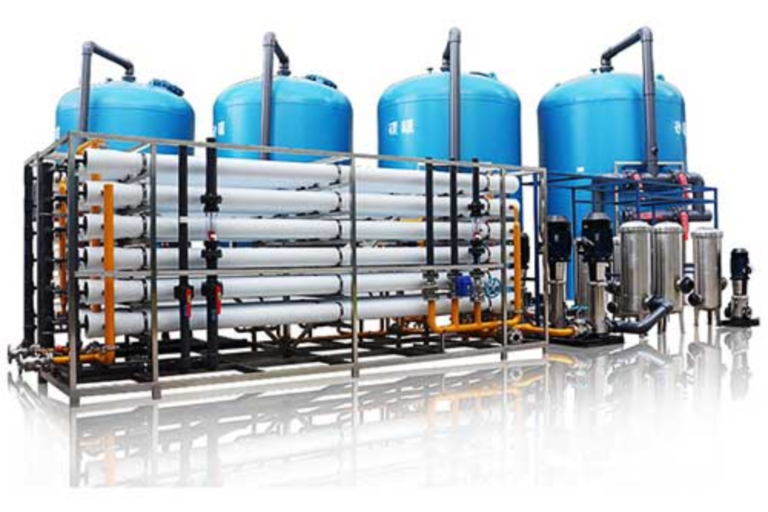
Start with filtration systems. For light iron or manganese issues, a basic whole-house sediment filter might be enough. But for more stubborn levels, you’ll need a bit more firepower—oxidizing filters, ion exchange systems, or even chemical injection setups.
Softening systems can help too. While standard water softeners don’t remove high levels of iron or manganese, many advanced models come with built-in iron filters or can be customized for multi-stage treatment.
Just don’t fall for every DIY solution you read online. Tossing a magnet in your toilet tank isn’t going to solve your manganese problem. Neither is switching to bottled water—it’s expensive, unsustainable, and only addresses the symptom, not the source.
And if you’re renting? Talk to your landlord. It’s their responsibility to ensure water quality, and a good one will understand that clean water isn’t a luxury—it’s a basic need.
Environmental Context Matters
Not all water issues come from within your home.
Sometimes the source of contamination is upstream—literally. Agricultural runoff, nearby construction sites, outdated municipal lines… these can all affect water quality, even if your own plumbing is spotless.
If you live in an area where nearby neighbors are reporting similar issues, you might want to contact your local water authority or health department. They can sometimes run broader tests or issue advisories if a shared water source is involved.
It’s a good reminder that water problems aren’t always about broken pipes or rusty taps—they’re often part of a bigger picture.
Don’t Just Fix—Stay Ahead
Here’s the truth: even after you treat your water and get rid of those rust stains, the job isn’t done. Water quality is dynamic. It changes with the seasons, the infrastructure, and even the economy.
So keep an eye (and nose) out. If the water smells different, tastes off, or starts leaving marks again, it’s time to revisit your testing and filtration setup.
Investing in a long-term water management plan—especially if you’re on a well—can save you thousands of dollars down the line. Not to mention spare you the frustration of scrubbing orange rings from your toilet every weekend.
Final Thoughts: It’s Just Water… Until It Isn’t
Most of us don’t think about water until something goes wrong. It’s one of those quiet, invisible things in life that we assume is fine—until it isn’t.
But once you start paying attention, you realize that water tells a story. It reflects the pipes it flows through, the soil it travels beneath, the world around us.
Whether it’s iron in water, manganese in water, or some other sneaky intruder, the key is not to ignore the signs. Listen to your water. Smell it. Taste it. Look at what it’s leaving behind.
Because when you start noticing the little things, you give yourself the power to fix them—before they turn into something bigger.