commercial heating services
Let’s face it—when the temperature dips and the cold starts seeping into your bones, all you want is to walk into your space and be wrapped in warmth. But heating a home or commercial building isn’t as simple as cranking up the dial anymore. Between rising energy costs, outdated systems, and climate concerns, choosing the right heating solution can feel like a minefield. And let’s not even get started on surprise repair bills mid-winter.
But here’s the good news: finding the right heating setup doesn’t have to be overwhelming—or break the bank. Whether you’re running a business, upgrading your home, or just tired of layering three sweaters inside, this guide will walk you through heating options that actually make sense for real people with real budgets.
It Starts With Knowing Your Needs
You wouldn’t buy a sports car if all you needed was something to pick up groceries, right? Same logic applies to heating. You’ve got to think about your space—how big is it? Is it well insulated? Are you heating just one room or an entire building?
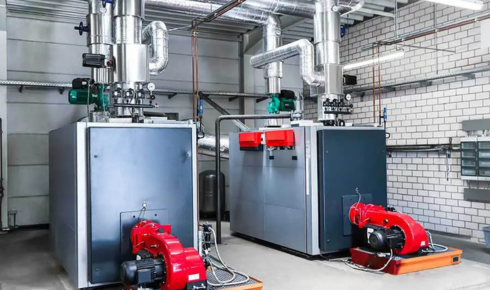
For large buildings like warehouses, restaurants, or office spaces, commercial heating services are the way to go. These aren’t your average space heaters. They involve large-scale HVAC solutions tailored for efficiency and consistency across wide areas. The best part? Many modern commercial systems can be zoned—so you’re not wasting energy (and money) heating empty rooms.
Don’t Sleep on Furnace Installation
If you’re still relying on an old boiler or, worse, a patchwork of plug-in heaters that glow like the inside of a toaster, it’s probably time for an upgrade.
One of the most popular and efficient ways to heat a home (especially in colder climates) is a good old-fashioned furnace installation. Modern furnaces, especially gas-powered ones, are leaps and bounds ahead of the clunky monsters from a decade ago. They’re quieter, cleaner, and come with smart thermostats that help you manage usage down to the minute.
Think of a furnace as a long-term investment. Sure, the upfront cost might make your wallet twitch, but what you save over the years in energy bills and fewer emergency calls more than makes up for it.
Don’t Fall for the “Bigger is Better” Trap
This is a common one. People often assume the larger the system, the better the heat. Not true.
Oversized heating systems cycle on and off too frequently, which can lead to uneven heating, wear and tear, and—you guessed it—higher bills. Undersized systems? They’ll run non-stop and still leave you cold. The key is proper sizing and expert advice. A trustworthy heating technician should do a load calculation based on your space—not just eyeball it.
Energy Efficiency Isn’t Just a Buzzword
Let’s get practical: you want your place warm, but not at the expense of your utility bill or the planet. This is where energy-efficient systems come in.
Look for ENERGY STAR-rated heating units and smart thermostat integrations. These allow you to schedule heating, lower the temp when you’re not home, and even learn your habits over time. Pair that with good insulation and window seals, and you’re golden.
In fact, many government programs now offer rebates or tax incentives when you upgrade to energy-efficient systems. Worth a quick Google, right?
Small Budget? You’ve Still Got Options
Not everyone can throw down thousands on a new system tomorrow. That’s okay. There are still plenty of affordable heating solutions out there that won’t have you shivering or stressed.
Portable electric heaters, infrared panels, or even ductless mini-split systems can be effective for smaller areas or as a stop-gap while you save for a full system. The key here is to think temporary, but smart. Look for safety certifications, auto shut-offs, and adjustable thermostats. And don’t forget to check second-hand marketplaces—you’d be surprised what people are selling after remodeling.
Maintenance = Peace of Mind
Here’s the part most people ignore—until it’s too late.
A solid maintenance schedule keeps your heating system efficient, extends its lifespan, and saves you from mid-winter horror stories like waking up to a frozen house. Once a year, have a pro check filters, vents, pilot lights, and ductwork. It’s like an oil change for your heater.
And if you’re using gas? A carbon monoxide detector isn’t optional. Seriously.
The Human Side of Heating
We talk a lot about BTUs, efficiency ratings, and ductwork, but at the end of the day, heating is about comfort. It’s about walking into your space and feeling safe, relaxed, and… well, home.
For business owners, it’s even more important. A warm environment tells customers they’re cared for. For employees, it boosts productivity and morale. Nobody’s doing their best work when they’re freezing their fingers off.
So whether you’re managing a busy commercial facility or just trying to make your family movie nights a little cozier—heat matters.
Final Thoughts: Don’t Wait for the Freeze
The worst time to think about heating? When it’s already freezing. Do yourself a favor and get ahead of the game. Whether you’re going all-in with a full furnace install, hiring reliable commercial heating services, or just picking up a reliable portable heater—plan early. Talk to professionals. Ask questions. Make choices that fit your space, your budget, and your lifestyle.
Because staying warm shouldn’t be a luxury—it should be a given.