iron staining
Most of us don’t think much about water until it starts leaving evidence behind. It might show up as chalky white spots on your dishes, stubborn rings in the sink, or clothes that feel strangely stiff after washing. Sometimes it’s even more obvious — rusty marks near faucets or stains that just won’t scrub away no matter how hard you try.
At first, these issues feel like simple cleaning problems. But more often than not, they’re not about cleaning at all.
They’re about the water itself.
Water carries minerals, naturally picked up as it moves through soil and rock underground. In many regions, this mineral content becomes high enough to affect both comfort and home maintenance.
And once you start noticing these signs, it becomes clear: water quality shapes everyday life more than we usually realize.
What “Hard Water” Really Means in Daily Life
Hard water is essentially water rich in minerals, primarily calcium and magnesium.
These minerals aren’t harmful to drink, but they create a variety of practical challenges.
Soap doesn’t lather well, leading to more product usage. Laundry may feel rough instead of soft. Dishes often develop cloudy residue even after thorough washing.
The effects are gradual and easy to overlook at first, but over time they become persistent annoyances.
Many homeowners only realize they have hard water after dealing with repeated cleaning frustrations.
The Hidden Costs of Mineral Buildup
Hard water doesn’t just affect cleaning — it also impacts home infrastructure.
Minerals can accumulate inside pipes, reducing water flow and increasing pressure on plumbing systems.
Appliances like water heaters and washing machines often experience the most wear. Scale buildup reduces efficiency, causing equipment to work harder and consume more energy.
Over time, this leads to higher maintenance costs and shorter appliance lifespans.
It’s a slow process, but one that can quietly affect household budgets.
Why Iron in Water Creates Unique Challenges
In some areas, hard water comes with an additional complication: iron content.
Iron doesn’t just leave residue — it creates noticeable discoloration.
You might see reddish or brown stains around drains, faucets, or laundry items.
This iron staining can be particularly frustrating because it resists regular cleaning methods.
It’s not simply dirt; it’s a mineral deposit embedded in surfaces.
Addressing iron issues requires targeted treatment rather than surface cleaning alone.
How Modern Treatment Systems Address Hard Water
Water treatment has advanced significantly over the years.
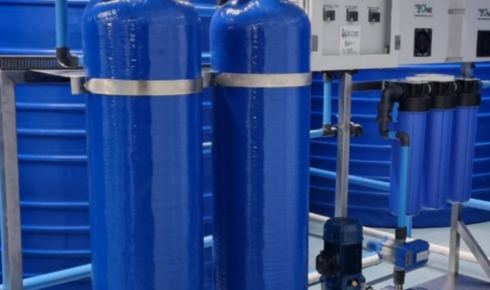
Today’s hard water solutions often involve softening systems designed to remove excess minerals before water enters household plumbing.
These systems typically use ion exchange technology, replacing calcium and magnesium with sodium or potassium ions.
The result is water that interacts more effectively with soap, reduces scale buildup, and improves overall usability.
For many households, the difference becomes noticeable within days of installation.
The Role of Filtration in Comprehensive Water Improvement
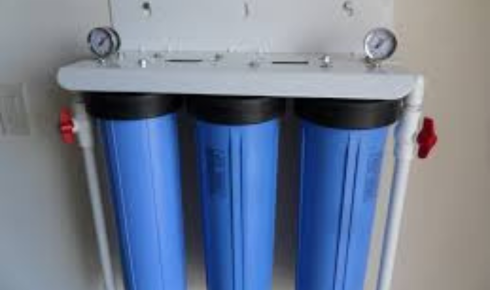
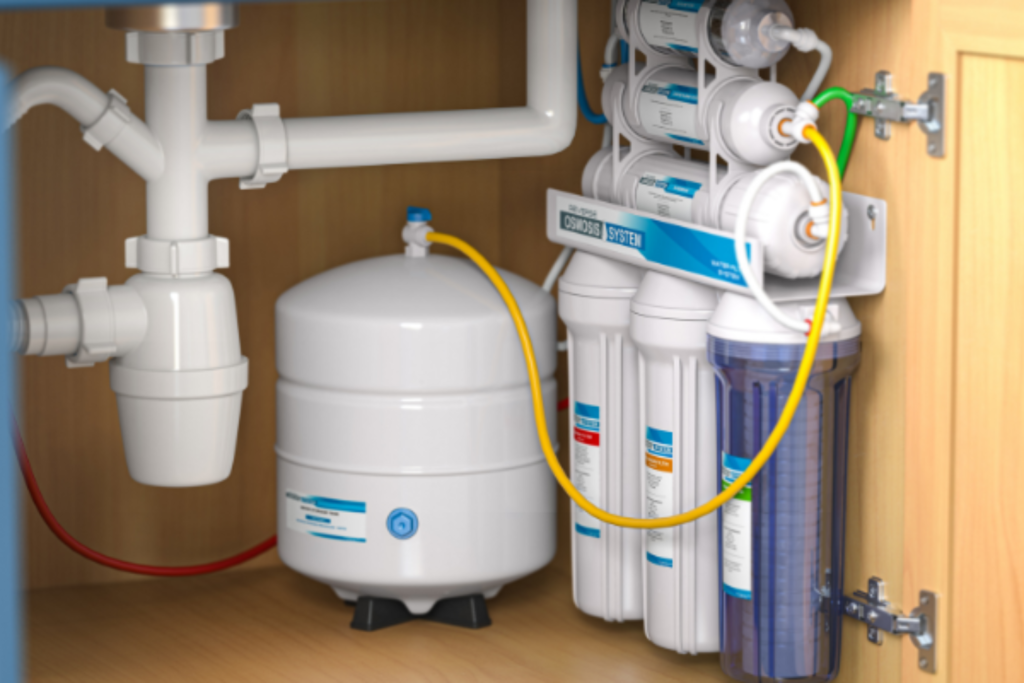
While softening addresses mineral content, filtration systems focus on removing particles, chemicals, and impurities.
This is where integrated water softener and filtration solutions come into play.
By combining multiple treatment methods, these systems provide a comprehensive approach to water quality improvement.
Softening prevents scale buildup, while filtration enhances taste, clarity, and overall performance.
Together, they create water that supports both comfort and infrastructure protection.
How Better Water Improves Everyday Comfort
Improved water quality often transforms daily routines in subtle ways.
Showers feel more refreshing because soap rinses away cleanly. Skin and hair may feel softer after washing.
Laundry becomes brighter and smoother without requiring excessive detergent.
Even simple tasks like washing dishes become easier.
These changes may not feel dramatic at first, but over time they significantly enhance everyday living.
The Environmental Benefits of Treating Hard Water
Treating hard water also supports environmental sustainability.
When soap and detergent work more efficiently, households use fewer cleaning products.
Appliances operate more efficiently, reducing energy consumption.
Improved water quality can also reduce reliance on bottled water by enhancing tap water taste.
These benefits contribute to lower environmental impact and more responsible resource usage.
Why Water Quality Affects More Than Cleaning
Beyond comfort and maintenance, water quality influences health and hydration habits.
When water tastes better and feels cleaner, people are more likely to drink it regularly.
This supports overall wellness and reduces dependence on sugary beverages.
Clean, reliable water also supports safe cooking and food preparation.
These benefits highlight how water quality affects both practical and personal aspects of daily life.
Choosing the Right Water Treatment Approach
Selecting an effective water treatment system begins with understanding local water conditions.
Water testing provides valuable insights into mineral levels, iron content, and other quality factors.
With accurate information, homeowners can choose treatment systems tailored to their specific needs.
Professional installation ensures optimal performance and long-term reliability.
This personalized approach helps avoid unnecessary costs and ensures effective results.
The Psychological Comfort of Reliable Water
There’s also an emotional dimension to water quality.
Knowing that your water is clean, efficient, and reliable creates a sense of reassurance.
It eliminates small daily frustrations and builds confidence in something essential.
For families, especially those managing busy households, this peace of mind can be particularly valuable.
Reliable water quietly supports daily routines without drawing attention to itself.
Final Thoughts: Seeing Water as Part of Home Comfort
Water may seem simple, but its quality influences nearly every aspect of home life.
From cleaning and maintenance to comfort and sustainability, its impact is far-reaching.
By recognizing the signs of hard water and investing in appropriate treatment solutions, homeowners can transform everyday routines in meaningful ways.