
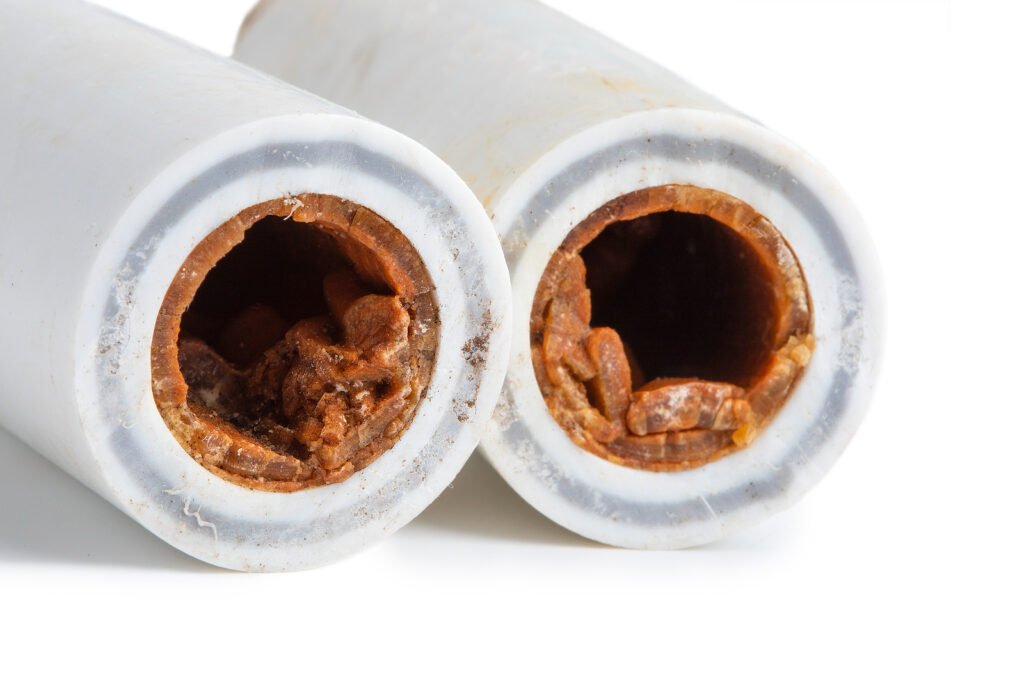
Most homeowners expect clean water to be clear, odor-free, and reliable. So when the water suddenly develops a rusty tint, leaves slimy residue around faucets, or carries a strange earthy smell, it’s easy to assume the plumbing is failing. In reality, the source of the problem may be something much less obvious—iron bacteria.
Despite the name, iron bacteria aren’t usually dangerous to healthy people, but they can create a long list of frustrating household issues. Left untreated, they can stain fixtures, clog plumbing, reduce water flow, and make everyday water use less pleasant. Understanding what’s happening beneath the surface is the first step toward solving the problem before it grows into something more expensive.
What Are Iron Bacteria?
Iron bacteria are naturally occurring microorganisms that thrive in groundwater containing dissolved iron. Rather than feeding on people or animals, these bacteria survive by oxidizing iron and, in some cases, manganese.
As they grow, they produce a sticky slime that clings to pipes, pumps, pressure tanks, and plumbing fixtures. Over time, this buildup becomes thick enough to interfere with normal water flow.
People often mistake these symptoms for ordinary rust or aging pipes, but the presence of bacterial iron can create a very different kind of problem. The slime isn’t simply mineral buildup—it’s a living biological layer that continues growing if conditions remain favorable.
Common Signs Around the Home
Iron bacteria usually announce themselves through subtle changes before becoming major nuisances.
You might notice reddish-brown slime inside toilet tanks, around sink drains, or near well components. Faucets may develop sticky deposits that return shortly after cleaning. Water can appear slightly yellow, orange, or rusty, particularly after sitting unused overnight.
Another common complaint is a swampy or musty odor that becomes stronger when running hot water.
These symptoms often develop gradually, making it difficult to recognize the underlying cause until several issues appear at once.
Why They Cause Bigger Problems Than Stains
Many homeowners initially focus on discoloration because it’s the most visible symptom. But the real concern is what happens inside the plumbing system.
As iron bacteria colonies expand, they can restrict water flow by narrowing pipes with layers of slime. Well pumps, pressure tanks, filters, and water softeners may become less efficient because the sticky buildup interferes with normal operation.
This doesn’t usually happen overnight. Instead, it’s a slow process that quietly reduces system performance over months or even years.
Eventually, homeowners may experience lower water pressure, more frequent equipment maintenance, or higher repair costs.
How Iron Bacteria Enter Water Systems
Iron bacteria naturally exist in many soils and groundwater sources. They can enter a well during drilling, repairs, plumbing work, or even through small openings around well caps.
Once inside, they only need moisture, dissolved iron, and oxygen to begin multiplying.
Private well owners are generally more likely to encounter this issue than those connected to municipal water supplies, although any untreated groundwater source has the potential to support bacterial growth.
The presence of iron itself doesn’t automatically mean bacteria are present, but iron-rich water certainly creates favorable conditions.
Why Testing Is Important
Rust-colored water doesn’t always mean iron bacteria are responsible.
High iron content, manganese, sediment, corrosion, or other water quality issues can produce similar symptoms. That’s why guessing often leads to ineffective solutions.
Professional water testing helps determine exactly what’s happening before investing in treatment equipment. Laboratory analysis can identify iron concentrations while additional inspections may confirm bacterial activity within the plumbing or well system.
Accurate diagnosis saves both time and money by ensuring the chosen solution addresses the actual cause.
Choosing the Right Treatment Approach
Effective iron bacteria treatment usually involves more than installing a standard filter.
Because these microorganisms create sticky biological slime, successful treatment often combines thorough cleaning with targeted disinfection. Shock chlorination is commonly used to reduce bacterial populations inside wells and plumbing systems.
Depending on water conditions, additional equipment such as oxidation systems, specialized filtration, or continuous disinfection may be recommended to prevent recurring growth.
Every well is different, which is why treatment plans should be based on water testing rather than assumptions.
Preventing Future Growth
Although eliminating iron bacteria completely isn’t always possible, proper maintenance can greatly reduce future problems.
Regular well inspections help identify damaged caps or openings that could allow contamination. Periodic cleaning of pressure tanks and plumbing components limits slime accumulation before it becomes severe.
Replacing worn equipment promptly also helps maintain proper water flow and reduces places where bacteria can establish new colonies.
If your home relies on a private well, routine water testing remains one of the simplest ways to monitor changing conditions before noticeable symptoms develop.
Everyday Habits That Help
Small maintenance habits often make a meaningful difference.
Flush plumbing systems regularly if portions of the home remain unused for long periods. Clean faucet aerators and showerheads to remove deposits before they harden. Keep well areas free of standing water and surface contamination whenever possible.
These steps won’t eliminate bacteria on their own, but they support the performance of larger treatment systems while helping homeowners recognize new issues early.
Sometimes the simplest routines prevent the biggest headaches.
Looking Beyond the Immediate Problem
Many homeowners initially treat iron bacteria as a cosmetic inconvenience because stained sinks and rusty toilets attract the most attention.
In reality, the hidden effects often prove more significant.
Reduced plumbing efficiency, clogged filters, shortened equipment lifespan, and recurring maintenance expenses gradually become much larger concerns than surface stains alone.
Addressing the problem early protects not only water quality but also the long-term health of the home’s entire water system.
Final Thoughts
Iron bacteria may not pose the same health concerns as harmful pathogens, but they certainly deserve attention. Their ability to create slime, stain fixtures, clog plumbing, and reduce equipment performance makes them one of the more frustrating issues for homeowners who rely on well water.
Fortunately, understanding the warning signs and investing in proper testing can make all the difference. Rather than guessing at the cause, identifying the source allows you to choose the most effective treatment strategy and prevent recurring problems.
Clean, dependable water is something every household deserves. By addressing iron bacteria before they spread throughout your plumbing system, you can protect your home’s infrastructure, improve everyday water quality, and enjoy greater confidence every time you turn on the tap.