electric & non-electric water softeners
There’s a certain point where you start noticing your water—not in a dramatic, alarm-bell kind of way, but in those quiet, everyday moments. The way your skin feels after a shower. The way your kettle seems to collect that stubborn white layer faster than it should. Or how your clothes don’t feel quite as soft, even after a fresh wash.
At first, it’s easy to shrug it off. You blame the detergent, the weather, maybe even your imagination. But over time, the pattern becomes harder to ignore.
Water has a way of quietly shaping your home life. And when something’s slightly off, it shows up everywhere.
The Subtle Signs That Hard Water Leaves Behind
Hard water doesn’t announce itself. It doesn’t arrive with a label saying, “Hey, I’m the problem.” Instead, it leaves clues.
Your soap struggles to lather properly. Your bathroom fixtures lose their shine faster than they used to. You might even notice your hair feeling dull or your skin drying out more than usual.
These aren’t big problems. But they’re persistent ones.
And the longer they stick around, the more they start to affect your daily routine in ways you didn’t expect.
What’s Really Going On Inside Your Water
Hard water is mostly about minerals—specifically calcium and magnesium. They’re naturally present in many water sources, and in small amounts, they’re not harmful.
But when those levels climb higher, they begin to interfere.
They settle inside your pipes, forming layers over time. They cling to heating elements in appliances, making them less efficient. They leave behind that chalky residue you keep scrubbing away.
So the issue isn’t just what you see—it’s also what’s happening behind the scenes.
Finding the Right Approach Without Making It Complicated
When people start looking for solutions, they often get overwhelmed. There’s a lot of information out there, and not all of it feels easy to understand.
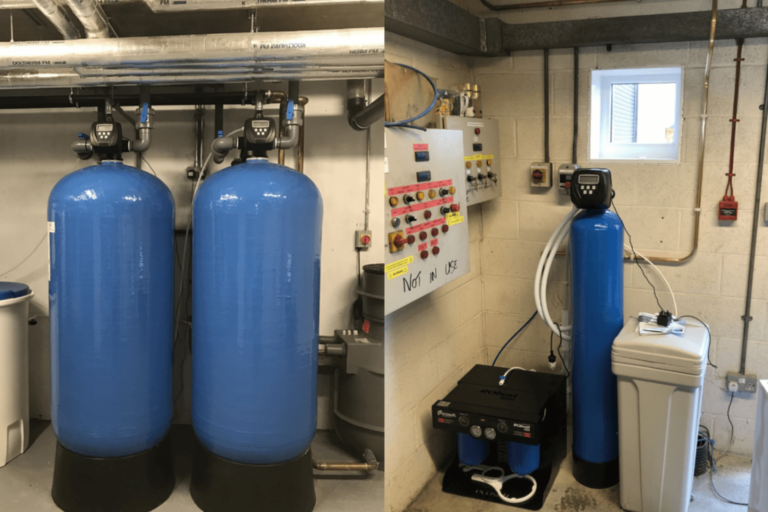
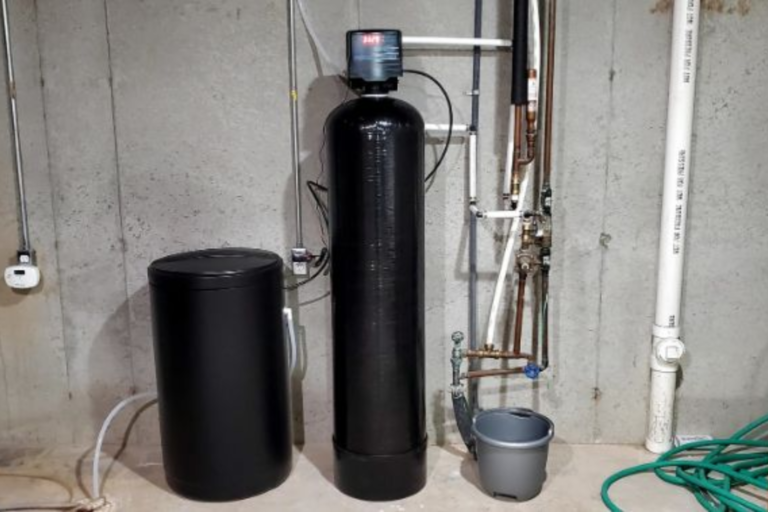
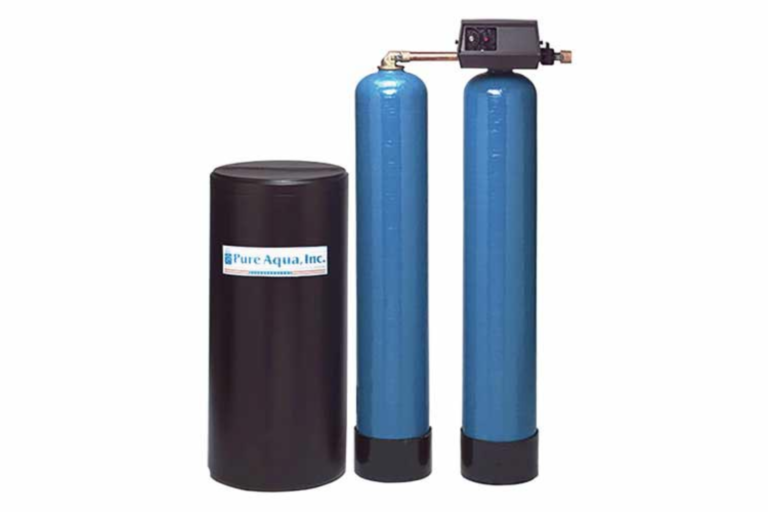
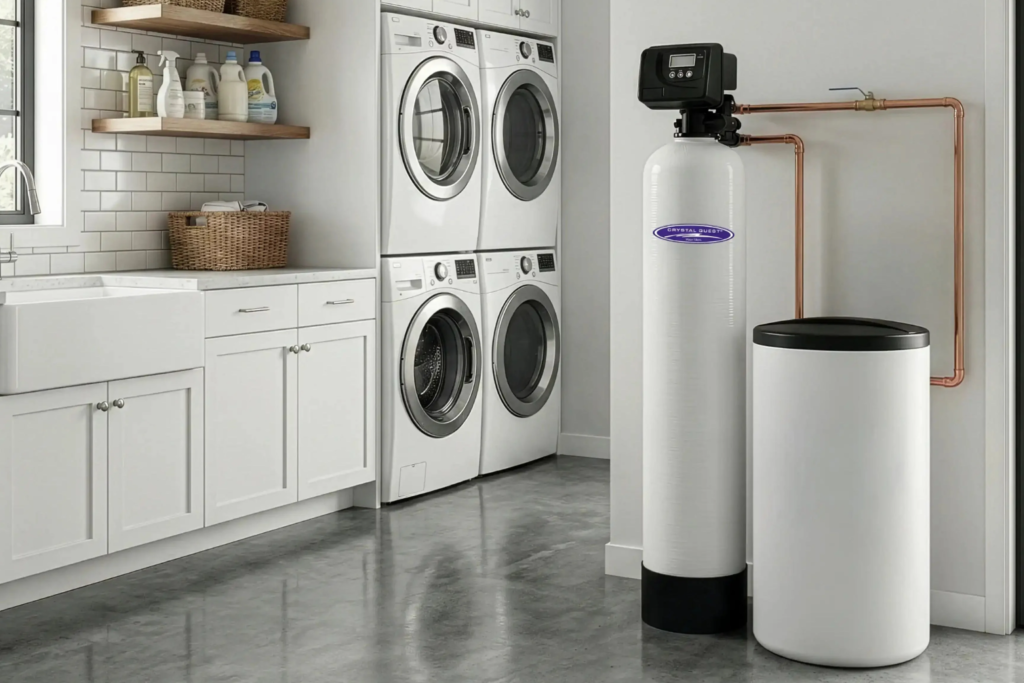
One of the first things you’ll come across is the choice between electric & non-electric water softeners. And honestly, it sounds more complicated than it really is.
Electric systems often use timers or sensors to manage water flow and regeneration cycles. Non-electric ones rely more on water usage itself to operate. Both can be effective—it just depends on what fits your home and your preferences.
The key isn’t picking the “best” system in general. It’s choosing what works best for your specific setup.
Why Removing Minerals Makes Such a Big Difference
At the heart of it all is one goal—to eliminate hardness minerals that are causing all these small but annoying issues.
And when that starts happening, the changes can feel surprisingly noticeable.
Your soap lathers the way it’s supposed to. Your dishes come out cleaner, without that cloudy film. Your appliances don’t have to work as hard, which can help them last longer.
Even your showers feel different—less drying, more refreshing.
It’s not a dramatic transformation. But it’s consistent. And that consistency makes a difference.
The Quiet Benefits You Don’t Expect Right Away
What’s interesting is that most people don’t realize how much hard water was affecting them until it’s no longer an issue.
You stop seeing buildup on your fixtures. You spend less time cleaning stubborn residue. Your laundry feels softer without extra effort.
And maybe the biggest change? You stop thinking about your water altogether.
It just works.
Choosing What Fits Your Home (Not Someone Else’s)
It’s easy to get caught up in recommendations, reviews, and what other people are doing. But water is one of those things that varies from home to home.
Your source, your plumbing, your usage—it all plays a role.
So instead of trying to follow a one-size-fits-all solution, it’s worth taking a step back and asking: what do you actually need?
Maybe it’s a full system. Maybe it’s something simpler. The right answer isn’t always the most complex one.
Why This Matters More Than It Seems
Water is one of those constants in your life. It’s there in your morning routine, your meals, your cleaning, your downtime. It’s easy to overlook because it’s always there.
But when it’s not working quite right, even small issues can ripple through your day.
Fixing it—or rather, improving it—isn’t about chasing perfection. It’s about making your home feel a little easier to live in.
Final Thoughts: A Small Change That Stays With You
In the end, improving your water isn’t about making a big, flashy upgrade. It’s about removing the small inconveniences that have quietly become part of your routine.
Because once those are gone, what’s left is something simple and reliable.
Water that feels right. That works the way it should. That doesn’t make you stop and think.
And sometimes, that’s all you really need—a quiet improvement that makes everything else just a little bit better.