
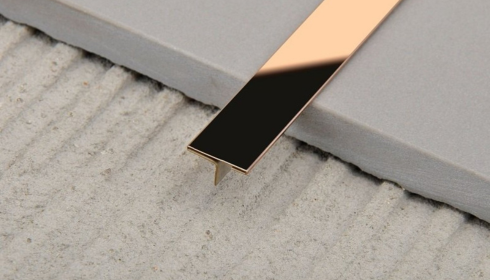
In today’s fast-evolving construction and interior design landscape, materials that offer both durability and aesthetic appeal are always in high demand. Among these, T profiles and T patti have emerged as essential components used across commercial buildings, homes, showrooms, and industrial spaces. Their unique shape, strength, and finishing capabilities make them a preferred choice for architects, engineers, and fabricators who aim to balance structural integrity with modern styling.
T-shaped sections are not new to the market, but recent advancements in manufacturing, coating, and finishing have significantly increased their popularity. Whether you are planning ceiling work, wall partitions, panel joints, tile edges, or decorative trims, these versatile components can be customized in materials like stainless steel, aluminum, brass, uPVC, and even mild steel depending on your project requirements.
Why T Profiles Are So Important in Modern Construction
The construction industry constantly looks for products that provide strength while also complementing contemporary aesthetics. T profiles serve exactly this purpose. They act as a linking or covering strip between two surfaces, giving edges a clean and professional look. Their design allows for easy installation, making them suitable for both new installations and renovation projects.
In commercial projects, they are frequently used for false ceilings, glass partitions, industrial frameworks, and interior cladding. Homeowners often prefer them for modular kitchens, wardrobe edges, and decorative wall designs. Their availability in multiple thicknesses, widths, and finishes—such as matte, glossy, brushed, titanium, rose gold, and black—adds to their adaptability.
The Versatility and Utility of T Patti
When it comes to fine detailing and finishing work, T patti plays an equally significant role. These thin yet strong trims ensure the neat closing of joints, corners, and tile intersections. They help create symmetry in interiors and protect edges from wear and tear. The crisp T-shape acts as a perfect separator line in flooring or wall cladding, giving designs a high-end and luxurious touch.
For flooring contractors, T patti is especially useful in bridging gaps between tiles, wooden planks, or stone slabs. It not only enhances the look but also prevents chips and cracks at meeting points. Additionally, in areas like bathrooms, kitchens, and living rooms, these patties add both beauty and durability. Their rust-resistant and anti-corrosive properties make them suitable for moisture-prone areas as well.
Key Benefits of Using T Profiles and T Patti
- High Strength and Durability – Both products are built to withstand pressure, impact, and long-term usage, especially when made from stainless steel or aluminum.
- Aesthetic Finishing – They create clean, sharp visual lines that elevate the overall design.
- Corrosion Resistance – Premium materials offer protection against rust, making them ideal for wet areas.
- Easy Customization – Available in multiple thicknesses, sizes, and finishes to match any interior or exterior theme.
- Hassle-Free Installation – Their user-friendly design reduces installation time and effort.
- Cost-Effective Choice – They improve the life of surfaces, reducing maintenance and repair costs.
Industries and Applications
T profiles and T patti find use in a wide range of sectors:
- Residential interior design
- Commercial projects and showrooms
- Glass and aluminum fabrication
- Modular furniture industries
- Hospitality and retail interiors
- Industrial engineering and equipment framing
Final Thoughts
As modern design trends shift towards minimalism and precision, the use of T-shaped trims and profiles continues to rise. Whether you are a builder, architect, fabricator, or homeowner, investing in high-quality components can significantly improve both the durability and appearance of your project. With their blend of strength, style, and versatility, these trims have truly become an essential part of contemporary construction and interior finishing.