
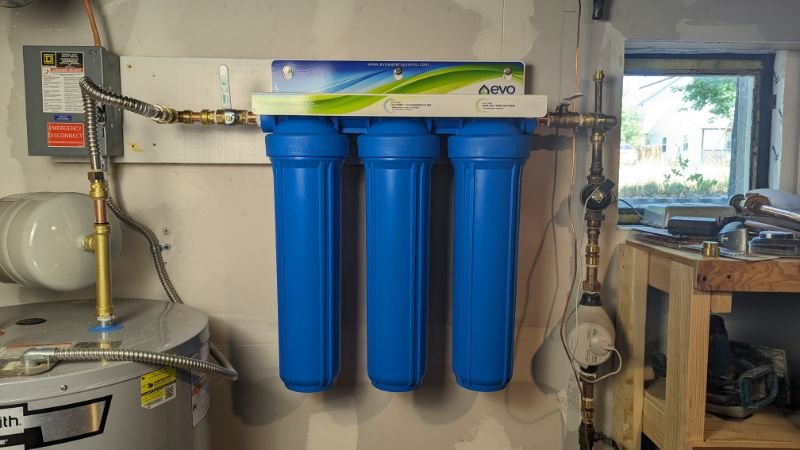
Water is part of nearly everything we do at home. We drink it, cook with it, wash clothes in it, and rely on it for showers, cleaning, and countless everyday tasks. So when the water coming from your taps doesn’t seem quite right, the effects can become surprisingly noticeable. Maybe your glasses come out of the dishwasher covered in spots, soap refuses to lather properly, or your morning coffee has an odd aftertaste.
These problems are common, but they don’t all have the same cause. Some are related to hard water, while others may involve dissolved minerals, chlorine, sediment, or plumbing issues. The best way to improve your home’s water quality is to understand what’s happening first and then choose a treatment solution that fits your needs.
Start With Your Water, Not the Equipment
It’s tempting to browse products immediately when you notice a water problem. A quick online search can produce dozens of filters, softeners, and treatment packages, each promising impressive results. But buying equipment before identifying the issue can leave you with an expensive system that doesn’t solve the problem you actually have.
Start by considering what you’ve noticed. White deposits around faucets may indicate hard water. A metallic taste or reddish staining could point toward iron, although other causes are possible. An unpleasant odor might come from the source water, plumbing, or a particular treatment chemical. These clues can help guide an assessment, but they aren’t a substitute for proper testing.
Water testing provides a clearer starting point. Depending on your water source, useful checks may include hardness, pH, iron, and other relevant characteristics. Private well owners may need additional testing for bacteria, nitrates, arsenic, or other contaminants based on local conditions. Municipal water users can review their supplier’s water quality report while investigating concerns specific to their property.
Once you understand the problem, choosing equipment becomes much more straightforward. Instead of paying for features you may never need, you can focus on a solution that addresses your household’s actual water quality concerns.
Treating Water Throughout the House
For some homeowners, the issue isn’t limited to the kitchen sink. Mineral deposits may appear in several bathrooms, laundry may feel stiff, and appliances may accumulate scale over time. In these situations, whole-home water systems may be worth considering.
The right system depends on the source of the problem. Whole-house filtration can help reduce selected substances throughout the plumbing system, provided the equipment is designed for those substances and sized for the property’s water demand. Depending on the filter media, a system may target sediment, chlorine, iron, or other specific concerns.
Installation location matters. Equipment is commonly placed where the main water supply enters the home, allowing treated water to reach multiple fixtures. However, not every treatment method is suitable for every application, and some systems require additional plumbing, drainage, or electrical connections.
Think about household usage before settling on a size. A small household with one bathroom has different needs from a busy family with several showers and a large laundry load. A properly sized system should handle normal demand without creating unnecessary pressure loss or excessive operating costs.
It’s also important to understand what whole-house filtration does not do. A general-purpose filter won’t necessarily remove every contaminant, and a system designed for aesthetic concerns may not address health-related risks. Always check the manufacturer’s performance claims and select equipment suited to the specific issue identified through testing.
Understanding Hard Water and Water Softeners
Hard water is one of the most common reasons homeowners explore treatment options. It contains higher concentrations of dissolved calcium and magnesium, which can form deposits when water evaporates or is heated. Over time, these minerals may leave marks on shower doors, reduce the efficiency of certain appliances, and make cleaning more frustrating.
Traditional water softeners typically use ion exchange to replace calcium and magnesium ions with sodium or potassium ions. This process reduces hardness and can help limit scale formation in plumbing and water-using appliances. Many homeowners also notice that soap lathers more easily and that cleaning glass surfaces takes less effort.
Still, softening isn’t the answer to every water quality issue. A softener is not a universal contaminant removal system, and it doesn’t automatically improve every aspect of taste or odor. It also requires maintenance, usually including replenishing salt for conventional salt-based models and occasional inspection of the equipment.
Before choosing a softener, find out how hard your water is and estimate how much water your household uses. These details help determine the capacity and regeneration settings needed. If sodium intake is a concern, discuss the implications of sodium-based softening with a qualified professional and consider whether a separate drinking water treatment option would be appropriate.
Cleaner Drinking Water at the Kitchen Tap
Water used for drinking and cooking sometimes needs a different treatment approach from water used for bathing or laundry. A household may be comfortable with its general water supply but still want to reduce certain dissolved substances or improve the taste of water used to make tea, coffee, and meals.
Reverse osmosis drinking water systems are designed to push water through a semipermeable membrane, reducing many dissolved substances. Depending on the specific unit, its certification, and the quality of the incoming water, reverse osmosis can reduce substances such as certain salts, lead, arsenic, and nitrate. Performance varies, so the system should be selected according to the contaminants of concern rather than broad claims alone.
These systems are often installed beneath a kitchen sink and connected to a dedicated drinking water faucet. Some models include additional filtration stages to improve taste or protect the membrane. Others use storage tanks, while newer designs may operate without a conventional tank.
There are practical considerations, too. Reverse osmosis systems need filter and membrane replacements, and many models send some water to the drain during operation. Check the manufacturer’s specifications for water efficiency, expected output, maintenance costs, and certified contaminant reduction.
One more thing worth remembering: a drinking water system should complement, not replace, attention to the overall water supply. If testing reveals a significant health-related problem, make sure the selected equipment is specifically suitable for that contaminant and follow any relevant public health guidance.
Installation and Maintenance Deserve Attention
Even excellent equipment can perform poorly when it’s incorrectly sized, connected, or maintained. A professional installer can assess the plumbing layout, confirm the system’s requirements, check connections for leaks, and explain how the equipment should operate. Before work begins, request a written estimate that identifies included labor, materials, and any potential additional charges.
Maintenance should be part of the decision from the beginning. Filters need replacing at the recommended intervals, softeners may need salt, and certain systems require periodic sanitizing or professional servicing. Waiting until the water tastes unusual or pressure drops can allow a small maintenance issue to become a bigger inconvenience.
Keep a simple record of service dates and replacement parts. If the water quality changes suddenly, investigate the cause instead of assuming the treatment system is responsible. Source water and household plumbing can change, too.
Make a Choice That Works for the Long Run
The right water treatment solution isn’t necessarily the biggest or most expensive one. It’s the system that addresses your actual concerns, fits your household’s water usage, and remains manageable over time.
Begin with testing, ask clear questions, and compare equipment based on verified performance, installation requirements, and maintenance costs. Be cautious of promises that one product will solve every possible water problem. Reliable recommendations should explain both the benefits and the limitations.
Water quality might not be the first thing on your home improvement list, but it influences comfort, cleaning, and daily routines more than many people realize. With a little investigation and a thoughtful approach, you can choose a system that makes sense for your home today and continues to serve you well in the years ahead.