
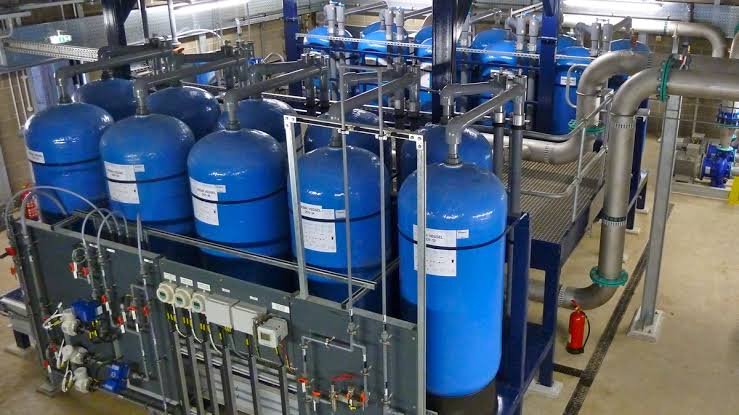
Water is one of those everyday things we rarely think about until something feels off. Maybe the tap water suddenly tastes a little metallic. Maybe glasses come out of the dishwasher cloudy, even though the machine is working fine. Or perhaps there’s that stubborn white crust around the showerhead that seems to return a week after cleaning it.
None of these problems necessarily mean the water is unsafe. But they can be signs that the water reaching your home could use some attention.
Modern water treatment isn’t really about chasing “perfect” water. It’s more practical than that. The goal is to understand what’s actually in your water, identify the problems that matter, and choose a treatment approach that makes everyday life a little easier.
Start With the Water, Not the Equipment
One common mistake homeowners make is shopping for equipment before knowing what problem they’re trying to solve.
Water quality can vary considerably from one area to another. It can even differ between two nearby homes, especially when one property relies on a private well and another receives municipal water.
Hardness minerals, iron, sediment, chlorine, sulfur odors and other dissolved substances can all create different symptoms. That’s why testing the water first is usually the sensible starting point.
Once the results are available, it becomes much easier to decide whether filtration, softening, or a combination of treatments makes sense. Good water filtration system installations should be based on the actual condition of the water rather than a generic piece of equipment that happens to be popular.
It sounds obvious, but it’s an important distinction.
Filtration Can Solve More Than a Taste Problem
People often associate filtration with drinking water alone. In reality, whole-home filtration can affect water throughout the property.
Depending on the system and the contaminants being addressed, filtration may help reduce sediment, chlorine, certain odors and other unwanted substances before the water reaches faucets and appliances.
That can make showers more pleasant and drinking water more enjoyable. It may also reduce some of the little annoyances homeowners gradually become used to—odd smells, visible particles, or water that simply doesn’t taste as fresh as they’d like.
There isn’t one filter that fixes every water problem, though. Sediment filters perform a different job from activated carbon systems, and more specialized treatment may be required for certain contaminants.
That’s where professional evaluation becomes useful.
Hard Water Has Its Own Set of Clues
Hard water is a slightly different issue because the main concern is usually dissolved calcium and magnesium.
These minerals aren’t automatically a health problem, but they can be frustrating around the house. Scale may build up on fixtures. Soap might not lather particularly well. Shower doors develop cloudy spots, and freshly washed dishes can look less than freshly washed.
Over time, mineral deposits can also accumulate inside plumbing fixtures and water-using appliances.
For homes dealing with significant hardness, a properly sized water softener installation can reduce those minerals before they travel throughout the plumbing system. The difference is often noticed in surprisingly ordinary places: softer-feeling laundry, easier cleaning, less scale around faucets and better soap performance.
Still, bigger isn’t necessarily better. A softener should be selected according to water hardness, household demand and typical water usage.
The Small Details of Installation Matter
Water treatment equipment may look fairly straightforward from the outside, but installation has a big influence on how well it performs.
Flow rate matters. So does water pressure. Drainage, plumbing layout, equipment placement and maintenance access should all be considered before the system is installed.
A poorly sized unit might technically treat water while still creating disappointing results during periods of heavy household use. On the other hand, oversized equipment can add unnecessary expense without providing a meaningful benefit.
A trusted water treatment company should be able to explain why a particular solution is being recommended, what problem it addresses, and what ongoing maintenance will realistically be required.
Homeowners shouldn’t need a chemistry degree to understand the system being installed in their own house.
Maintenance Is Part of the Deal
Even a well-designed water treatment system isn’t completely hands-off.
Filters eventually need replacement. Water softeners may require salt or other routine servicing depending on their design. Some systems should also be inspected periodically to make sure performance hasn’t changed.
Fortunately, maintenance usually isn’t complicated when it’s planned from the beginning.
Keeping a simple record of filter changes and service dates can help. It’s also worth paying attention to changes in taste, smell, water pressure or scale buildup. Sometimes the water itself gives the first hint that maintenance is overdue.
And water conditions can change. Private wells may be affected by seasonal conditions, while municipal treatment practices can evolve over time. Periodic testing gives homeowners a clearer picture instead of relying on assumptions made years earlier.
Better Water Is Mostly About Everyday Comfort
Water treatment can sound highly technical when discussions turn to mineral concentrations, filtration media and system capacities. Yet the reasons people invest in it are usually much simpler.
They want water that tastes good.
They want fewer stains on fixtures, less scale in the shower, cleaner-looking dishes and water they feel comfortable using every day. They’d also rather protect expensive appliances than replace them prematurely because of preventable buildup.
The best approach begins with understanding the water already entering the home. Test it, identify the actual concerns, and choose equipment designed to address those specific conditions.
There’s no need to make the process more complicated than it is. When the right system is selected, installed correctly and maintained properly, better water quietly becomes part of daily life—and after a while, it’s something you hardly think about at all.