
Most people don’t think much about their water until something changes. Maybe the coffee tastes a little different, soap refuses to lather properly, or white deposits begin appearing around the kitchen faucet. Sometimes the signs are more subtle. You might notice that your skin feels dry after showering or that your water heater seems to need attention more often than it used to.
It’s easy to blame these problems on cleaning products, old plumbing, or ordinary wear and tear. In some cases, those things really are responsible. But water quality can play a role, too, and understanding what’s happening is often the first step toward a practical solution.
The good news is that improving water quality doesn’t have to mean buying the most expensive equipment on the market. With reliable information, a little planning, and advice suited to your property, you can make decisions that address the actual problem instead of simply treating the symptoms.
Start With a Clear Picture of Your Water
Before choosing a filtration system or water softener, take a moment to understand your existing water supply. Is the property connected to a municipal system, or does it rely on a private well? Have you noticed changes in taste, odor, color, or the amount of mineral buildup around plumbing fixtures?
These details matter because different water sources can present different challenges. Municipal water is treated before distribution, but its characteristics may still be affected by household plumbing, local mineral content, and other factors. Private wells require particular attention because their water quality can change with weather, nearby activities, and conditions underground.
A free water test can be a useful starting point when offered by a water treatment provider. It may help identify issues such as hardness, iron, pH imbalance, or other common concerns, depending on the tests included. Before scheduling one, ask what the test measures, whether it is performed on-site or by a laboratory, and whether additional testing costs extra.
One important distinction is worth remembering: a basic water test is not necessarily a complete safety assessment. Some contaminants cannot be detected by appearance, taste, or smell. If you use well water, follow local public health recommendations for testing, including appropriate checks for bacteria and other potential contaminants. A certified laboratory may be necessary for reliable results.
Understand the Problem Before Buying Equipment
Water treatment products are designed to perform specific jobs, and knowing the difference can save both money and frustration.
Hard water, for example, contains elevated levels of calcium and magnesium. These minerals can leave deposits on showerheads, glassware, and plumbing fixtures. A water softener can reduce hardness, making cleaning easier and helping limit scale buildup in suitable applications.
Sediment filters address a different concern. They capture suspended particles such as sand, rust, and other debris, depending on the filter’s design and rating. Activated carbon filters can improve certain tastes and odors and reduce particular substances when the product is certified for that purpose.
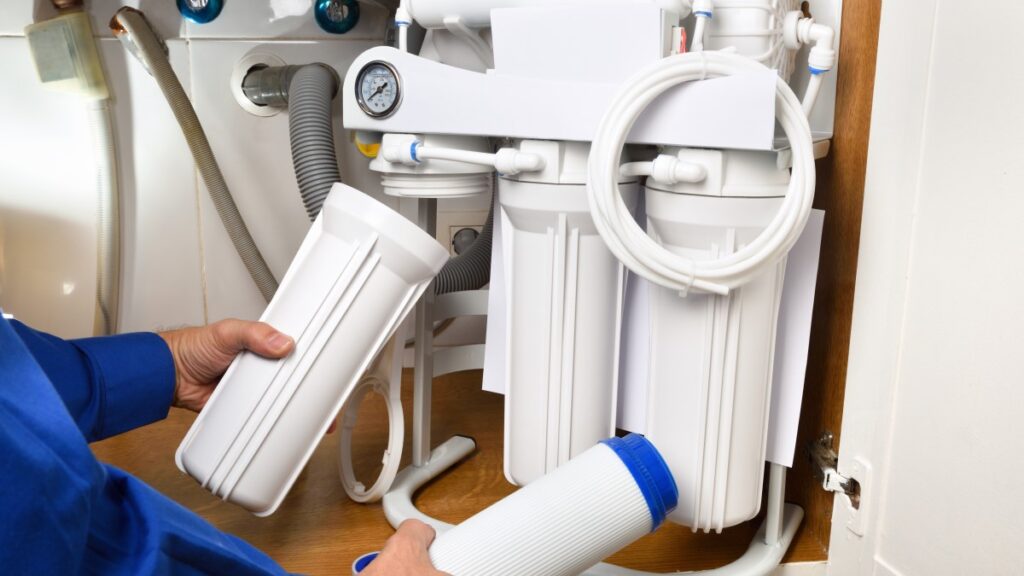
Reverse osmosis systems are commonly used to treat drinking water at a specific tap or point of use. Their effectiveness depends on the membrane, system design, and contaminants being targeted. They also produce wastewater and require periodic maintenance, so it is worth understanding the trade-offs before installation.
No single device is the right answer for every home. A softener won’t automatically remove every contaminant, and a standard sediment filter won’t address all dissolved substances. The best choice depends on the water test results, the household’s needs, and the performance claims supported by the equipment manufacturer.
Why a Personalized Treatment Plan Makes Sense
It’s tempting to buy a system based on a friend’s recommendation or a product that receives glowing online reviews. Yet the water in your friend’s home may be completely different from yours. Even nearby properties can have different plumbing arrangements, water sources, and treatment requirements.
That’s why customized solutions are often more effective than choosing equipment without first assessing the problem. A family dealing mainly with hard water may benefit from a properly sized softener, while a household concerned about drinking water may need a certified point-of-use filtration system. A property with a private well might require several treatment stages, depending on laboratory results.
Household size also deserves consideration. A system that works comfortably for two people may struggle to meet the demands of a large family with several bathrooms. Water usage, peak demand, available installation space, and the condition of existing plumbing all influence the final choice.
A trustworthy provider should explain why a particular system is being recommended. Ask which contaminants or water characteristics it addresses, what evidence supports its performance, and whether another option could achieve the same result at a lower cost. Good advice should leave you better informed, not pressured into making a quick decision.
Installation Quality Matters More Than You Might Think
Even a well-designed treatment unit can disappoint when it is installed incorrectly. Connections that leak, unsuitable pipe sizing, poor drainage arrangements, or inadequate space for maintenance can create headaches that could have been avoided with proper planning.
For many homeowners, professional installation provides reassurance that the equipment is connected and configured according to the manufacturer’s instructions. Depending on the system, installation may involve plumbing modifications, a dedicated drinking-water faucet, electrical connections, or a suitable drain. Some jobs are straightforward, while others require a licensed plumber or another qualified professional.
Before work begins, confirm what the installation service includes. Does the price cover necessary fittings and valves? Will the installer test for leaks and check the system’s operation? Are old components removed, and will you receive instructions for routine maintenance?
It is also sensible to ask about warranties. Equipment warranties may have conditions relating to installation, water chemistry, or maintenance. Keeping invoices, product details, and service records can make future troubleshooting much easier.
Once the system is running, take time to learn how it works. Find out how to recognize a low-salt warning, when to replace cartridges, and what to do if the water’s taste or appearance changes. A short explanation at installation can prevent a lot of confusion later.
Keep the System Working Properly
Water treatment is not a one-time purchase followed by years of completely hands-off operation. Filters have limited capacity, softeners need periodic attention, and some systems require sanitation or inspection at recommended intervals.
The correct maintenance schedule depends on the equipment, water quality, and amount of water used. A household with high sediment levels may need more frequent filter changes than one with relatively clean incoming water. Similarly, a busy home may reach a cartridge’s rated capacity sooner than a smaller household.
Follow the manufacturer’s instructions rather than replacing every component according to a generic schedule. If a filter becomes clogged, water flow may decline. If a treatment system stops performing as expected, simply changing a cartridge may not solve the underlying issue.
Pay attention to sudden changes, too. New odors, unusual discoloration, or a noticeable shift in taste may point to a problem with the water source, plumbing, or treatment equipment. If safety is a concern, stop using the water for drinking until appropriate testing or professional guidance clarifies the issue.
Look Beyond the Initial Price
Cost is naturally part of the decision, but the purchase price only tells part of the story. Replacement cartridges, salt, electricity, wastewater, servicing, and repairs can affect the long-term expense of owning a system.
Compare equipment based on its suitability and ongoing costs rather than the number of features listed on the box. A simpler system that targets the actual problem may offer better value than a complicated setup with functions you don’t need.
It is also worth considering how much inconvenience the problem causes today. Frequent scale removal, stained laundry, or repeated maintenance on water-using appliances can consume time as well as money. A suitable treatment system may help reduce these frustrations, although results depend on the original water conditions and how the equipment is maintained.
Make Water Quality a Practical Priority
Better water begins with understanding, not guesswork. Testing helps identify the issue, careful comparisons help narrow the options, and proper installation and maintenance keep the chosen equipment working as intended.
You don’t need to solve every possible water concern at once. Start with the problems that matter most to your household, ask clear questions, and choose a treatment method supported by reliable information. When the solution matches the actual water conditions, the benefits can show up in everyday ways, from easier cleaning to more confidence in the water you use.
In the end, the smartest investment isn’t necessarily the newest or most expensive system. It’s the one that addresses your needs, fits your budget, and continues to do its job long after installation day.