
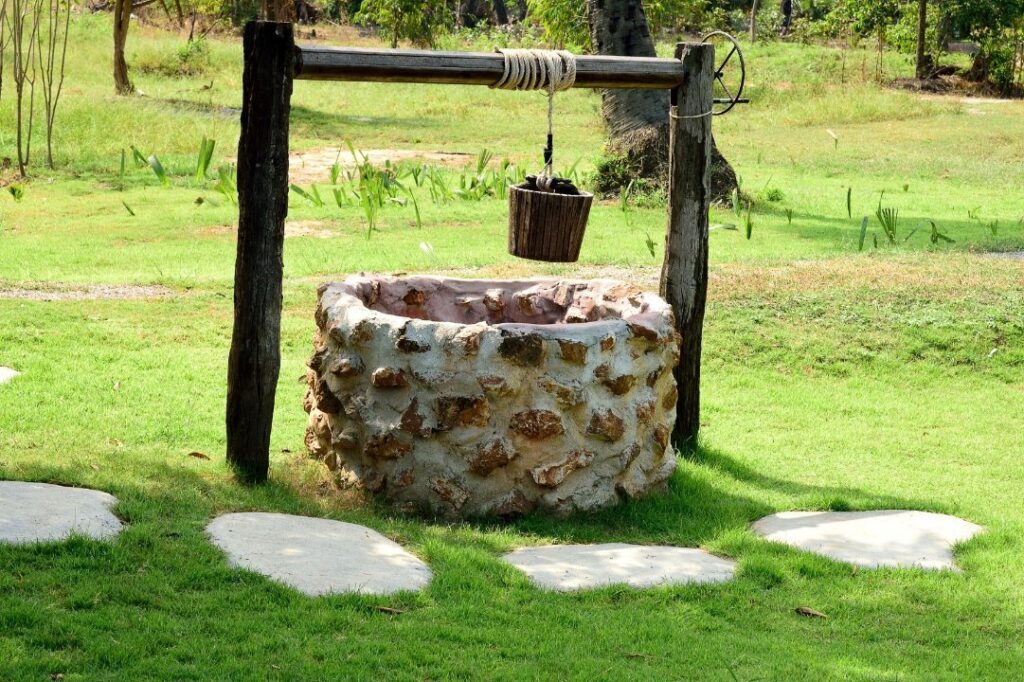
There’s a certain freedom that comes with owning a home supplied by a well. You’re responsible for your own water supply, and there’s something appealing about that independence. But when the water develops a metallic taste, leaves orange stains in the bathtub, or produces an unpleasant smell, owning a well can suddenly feel like a bigger responsibility.
For homeowners across Moorhead, Fargo, and surrounding rural communities, appropriately selected well water treatment systems can help manage groundwater quality concerns and make everyday household routines more comfortable.
The important thing is understanding that every well is different. A treatment arrangement that works perfectly for one property might not be suitable for another.
Why Testing Should Be Your First Priority
It’s tempting to purchase a filter as soon as you notice something unusual about your water. However, treating a problem without understanding its cause can lead to unnecessary expenses.
Effective well water treatment starts with testing, giving homeowners reliable information about the substances present in their water supply.
Laboratory testing can help identify concerns involving bacteria, nitrate, hardness, iron, and other substances, depending on the tests selected.
Even water that looks crystal clear and tastes perfectly normal may contain contaminants that deserve attention.
Rather than relying exclusively on appearance or recommendations from neighbors, arrange appropriate laboratory testing. The results can provide a valuable foundation for selecting equipment that addresses your actual needs.
Understanding What Makes Groundwater Different
Unlike municipal water supplies, groundwater from an individual well isn’t routinely monitored by a public water supplier.
The characteristics of private well water can vary depending on local geology, well construction, surrounding land use, and environmental conditions.
As groundwater moves through underground formations, it can absorb naturally occurring minerals such as calcium, magnesium, iron, and manganese.
Nearby agricultural activities, damaged septic systems, and surface contamination may also influence water quality under certain conditions.
What’s interesting is that two neighboring properties can experience completely different water concerns.
Understanding your individual supply helps you avoid treating problems that don’t exist while giving genuine concerns the attention they deserve.
Recognizing Common Signs of Well Water Problems
Sometimes, your home provides clues about what’s happening beneath the surface.
Orange or reddish-brown stains around bathroom fixtures may indicate iron. Chalky deposits frequently suggest hardness, while dark staining could be associated with manganese.
Then there’s the familiar rotten-egg smell that can make an otherwise pleasant shower rather uncomfortable. Hydrogen sulfide or certain bacterial activity may contribute to this odor.
If the smell appears exclusively when running hot water, the water heater itself could be involved.
Pay attention to when these issues occur and whether they affect several faucets.
These observations won’t replace laboratory testing, but they can provide useful information when discussing treatment requirements with a professional.
Finding Treatment Equipment That Addresses the Right Concerns
Water treatment isn’t a one-size-fits-all solution. Different substances require different technologies, and understanding those distinctions makes equipment selection much easier.
Sediment filters capture suspended particles such as sand and silt. Conventional water softeners reduce dissolved calcium and magnesium, helping limit mineral scale formation.
Specialized oxidation and filtration equipment may address certain iron and sulfur-related concerns.
Ultraviolet disinfection can inactivate susceptible microorganisms when equipment is correctly installed and maintained under suitable water conditions.
Reverse osmosis may also help reduce particular dissolved contaminants in drinking water, depending on its verified capabilities.
Sometimes, several technologies need to work together. The objective isn’t to install the most elaborate system available. It’s to create a dependable treatment arrangement where every component serves a meaningful purpose.
Taking Care of Your Well Through Changing Seasons
Living in Minnesota or North Dakota means preparing your home for considerable seasonal changes.
Snowmelt, heavy rainfall, and flooding can potentially affect vulnerable wells, particularly when drainage conditions or well construction allow surface contamination to enter.
Periodically inspect the visible condition of your well cap and the surrounding area. Damaged components or standing water near the well deserve further investigation.
Arrange routine laboratory testing at least annually for common concerns such as bacteria and nitrate, with additional testing when circumstances warrant it.
If harmful contamination is suspected or confirmed, use a verified safe alternative for drinking and cooking until appropriate corrective measures and testing confirm that the problem has been addressed.
Considering the Practical Side of Water Treatment
A filtration system should fit your household’s lifestyle, not complicate it unnecessarily.
Before purchasing equipment, consider available installation space, incoming water pressure, well pump capacity, and peak household demand.
Maintenance requirements matter, too. Some systems need replacement cartridges, while others require regenerating salt, periodic backwashing, or replacement ultraviolet lamps.
Ask about ongoing operating expenses and the availability of replacement components.
For homeowners in colder climates, installing equipment in an appropriately protected location is especially important.
Keeping copies of laboratory results alongside maintenance records can help you monitor changes in water quality and treatment performance over the years.
It’s a simple habit that can prove surprisingly useful.
Enjoying the Independence of a Well-Maintained Water Supply
Owning a well shouldn’t mean constantly worrying about unpleasant odors, stubborn stains, or uncertain water quality.
For homeowners throughout Minnesota and North Dakota, reliable testing, suitable treatment, and consistent maintenance provide a practical foundation for managing groundwater concerns.
The benefits may become noticeable through cleaner-looking fixtures, more enjoyable showers, and fewer frustrations with everyday cleaning.
More importantly, you’ll have a clearer understanding of the water your family depends on.
A private well is more than just another feature of your property. It supports your morning routine, family meals, laundry, and countless other ordinary moments.
Giving it thoughtful attention is part of responsible homeownership, and it’s an investment that can make everyday life considerably more comfortable.