
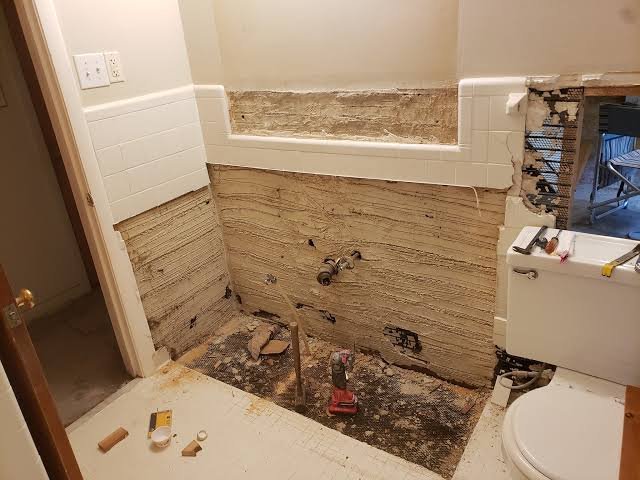
A bathroom may be one of the smallest rooms in a home, but it plays a surprisingly large role in everyday comfort. It’s where the morning begins, where people get ready before a busy day, and sometimes where they finally get a few quiet minutes to themselves. When the space feels cramped, looks outdated, or has small maintenance problems, those little frustrations can add up. Fortunately, improving a bathroom doesn’t always require a complete renovation. With careful planning and a focus on practical details, even a few well-chosen upgrades can make the room feel fresher, more functional, and easier to maintain.
Start With the Way You Use the Space
Before choosing new materials or browsing bathroom designs, consider what currently works and what doesn’t. Perhaps there’s never enough counter space, the lighting makes shaving or applying makeup difficult, or the storage cabinets are awkward to reach. These everyday inconveniences are often more important than decorative trends.
A useful renovation begins with observation. Spend a few days noticing how household members use the bathroom. Are towels always piled on the counter? Does water collect near the shower? Is there enough room to open drawers comfortably? Answering these questions helps establish priorities and prevents money from being spent on features that look attractive but offer little practical value.
It’s also worth setting a realistic budget early. Leave room for unexpected plumbing issues, damaged materials, or repairs discovered after old fixtures are removed. Bathrooms contain several connected systems, and a small problem hidden behind a wall can sometimes affect the overall schedule.
Make the Vanity Work Harder
The vanity is often the natural centre of attention because it combines storage, counter space, and the sink in one place. An outdated vanity can make an otherwise decent bathroom feel tired, while a thoughtfully selected replacement can improve both appearance and usability.
Professional vanity installations can help homeowners make better use of available space. A floating vanity, for example, creates a lighter visual effect and leaves more visible floor area beneath it. In a narrow bathroom, that can make the room feel less crowded. A traditional vanity with deep drawers may be more useful for families who need space for toiletries, hair tools, cleaning supplies, and everyday essentials.
Measurements matter more than many people expect. The vanity should fit comfortably without blocking the door, restricting access to the shower, or making the toilet difficult to reach. Check the position of existing plumbing before settling on a design, particularly if the new sink will sit somewhere different from the old one.
Materials deserve attention, too. Moisture-resistant cabinetry, durable countertop surfaces, and hardware that can withstand regular use generally offer better long-term value than delicate finishes that require constant care.
Small Fixture Changes Can Refresh the Room
Not every bathroom needs a new layout. Sometimes the biggest improvement comes from replacing worn or inefficient components. A dripping faucet, loose towel bar, cloudy light fitting, or showerhead with poor water pressure can make the room feel neglected even when everything else is in reasonable condition.
Planned fixture replacements allow homeowners to address these issues without committing to a major renovation. Modern faucets come in a wide range of finishes, from brushed nickel to matte black, so it’s possible to coordinate them with existing cabinet handles and shower hardware. Consistency usually creates a more polished appearance than mixing several unrelated finishes.
Function should come before appearance, however. A stylish faucet that splashes water across the counter isn’t much of an upgrade. Look for products that suit the sink basin and provide comfortable water flow. Water-efficient showerheads and faucets can also reduce consumption without sacrificing a satisfying daily experience.
Electrical fixtures require additional care. Bathroom lighting should be suitable for damp environments, and electrical work near water should be handled by a qualified professional. Good lighting often combines general illumination with focused light around the mirror, helping reduce shadows while keeping the room welcoming.
Give Tile Problems the Attention They Deserve
Tile is valued for its durability, but even a well-installed surface can develop problems over time. Grout may crack, individual tiles can loosen, and moisture can work its way into areas where the protective seal has failed. These issues might begin as minor annoyances, yet ignoring them can lead to more extensive damage.
Prompt tile repairs help preserve the appearance and performance of bathroom floors, shower walls, and backsplashes. The first step is identifying the cause rather than simply covering the visible defect. A cracked tile might result from an impact, but repeated movement beneath the surface or water damage may also be responsible.
Replacing one damaged tile can be straightforward when matching materials are available. The repair becomes more complicated when the original tile has been discontinued or the surrounding surface is unstable. Keeping spare tiles from the original project can make future maintenance considerably easier.
Grout and sealant need regular inspection, particularly around showers, tubs, and sinks. Cleaning these areas with products suitable for the material helps prevent buildup. Avoid assuming that fresh grout alone will solve a leak; plumbing or waterproofing problems may need to be corrected first.
Storage and Ventilation Make Daily Life Easier
A beautiful bathroom quickly loses its appeal when every surface is covered with bottles and personal care products. Storage doesn’t need to be elaborate. Recessed shelves, mirrored cabinets, drawer dividers, and wall-mounted organizers can keep essentials accessible without making the room feel crowded.
Choose storage based on what you actually own. Tall bottles may need more vertical space, while smaller items are easier to manage in shallow drawers. If several people share the bathroom, assigning separate sections can reduce clutter and make busy mornings less stressful.
Ventilation is equally important, although it often receives less attention than visible finishes. Warm showers create moisture that can settle on walls, ceilings, and cabinetry. Over time, persistent humidity can contribute to peeling paint, musty smells, and mould growth.
Use an appropriately sized exhaust fan and run it during showers and for a period afterward, following the manufacturer’s guidance. Opening a window can help when weather and privacy allow. If condensation remains a problem, investigate the ventilation system rather than relying only on frequent cleaning.
Plan Renovations Around Quality, Not Trends
Bathroom styles change, but the most successful improvements usually combine timeless choices with a few personal touches. Neutral tiles, simple cabinetry, and practical hardware can remain attractive for years. Colourful towels, artwork, plants suited to the environment, or a distinctive mirror can introduce personality without making future updates expensive.
It’s wise to compare product warranties, installation requirements, and maintenance instructions before making purchases. A cheaper product may cost more over time if it wears quickly or requires specialist replacement parts. Likewise, professional installation can be worthwhile when work involves waterproofing, plumbing alterations, or electrical connections.
Homeowners should also consider the order of work. Repairs to hidden plumbing and water-damaged surfaces should generally come before decorative finishing. Completing tasks in the right sequence reduces the risk of damaging newly installed materials and helps keep the project on schedule.
A Better Bathroom Begins With Practical Decisions
Improving a bathroom is less about copying a showroom and more about creating a space that supports everyday routines. A comfortable vanity, dependable fixtures, well-maintained tile, sensible storage, and effective ventilation can make a noticeable difference without requiring an extravagant budget.
Start with the problems that affect daily use, choose durable materials, and bring in qualified professionals when the work requires specialist knowledge. The result doesn’t have to be dramatic to feel worthwhile. Sometimes, the best renovation is simply a bathroom that looks cleaner, works better, and makes the beginning and end of each day a little more pleasant.