
Water is one of those things we rarely think about until it starts causing problems. A white film appears on bathroom faucets, glassware looks cloudy even after washing, soap refuses to lather properly, or the shower feels less comfortable than it used to. These small frustrations are often signs of hard water, and over time, mineral buildup can affect much more than the appearance of your fixtures.
The good news is that improving water quality doesn’t always require complicated changes. Understanding the cause of hard water and choosing the right treatment can make everyday household tasks easier while helping protect plumbing and appliances.
Why Hard Water Creates Everyday Problems
Hard water generally contains higher concentrations of calcium and magnesium. These minerals aren’t necessarily harmful to drink, but they can leave deposits on surfaces and inside pipes, water heaters, washing machines, and dishwashers.
Over time, mineral deposits can restrict water flow, reduce heating efficiency, and increase maintenance needs. Homeowners may also notice dry-feeling skin, stiff laundry, or soap residue that seems difficult to rinse away. While these experiences vary from person to person, the practical effects of hard water can certainly become frustrating.
That’s why identifying water hardness is a useful first step. A simple water test can reveal mineral levels and help determine whether treatment is necessary instead of spending money on equipment that may not address the actual problem.
Finding a Practical Way to Reduce Mineral Buildup
Traditional water softening systems work through ion exchange, replacing calcium and magnesium ions with sodium or potassium ions. This process can significantly reduce hardness, making cleaning easier and helping limit scale accumulation inside plumbing and appliances.
For homeowners dealing with persistent mineral deposits, water softeners and scale control solutions can be worth exploring. The right option depends on water hardness, household size, water usage, plumbing conditions, and personal preferences. Some homes may benefit from a conventional softener, while others might need a different approach to managing mineral deposits.
It’s important to remember that scale control and water softening aren’t always the same thing. Some systems actually remove hardness minerals, while others change how minerals behave so they are less likely to form stubborn deposits. Understanding that distinction makes it easier to compare products honestly.
Exploring Alternatives to Traditional Water Softeners
Not every homeowner wants to deal with salt bags, regeneration cycles, or additional maintenance. Some prefer treatment systems that work without regularly adding salt, particularly when their main concern is scale buildup rather than reducing mineral content.
Salt-free water conditioning options may provide an alternative for households looking for a different way to manage hard water. Certain technologies condition minerals instead of removing them, potentially reducing their tendency to form hard deposits on plumbing surfaces and equipment.
However, salt-free conditioners don’t produce the same results as traditional ion-exchange softeners. They generally don’t lower water hardness measurements or deliver the same soft-water feel. Choosing one should depend on what you actually want to improve — whether it’s reducing scale, simplifying maintenance, or changing the overall characteristics of your water.
A little research and professional guidance can prevent disappointment later, especially when different systems are marketed with similar promises.
Why Whole-House Filtration Deserves Attention
Hardness is only one part of water quality. Depending on the source, household water may contain chlorine, sediment, unpleasant odors, or other contaminants that affect taste and usability. A system designed specifically for minerals may not address these concerns.
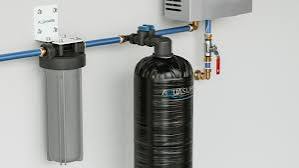
Installing whole-home water filtration can help improve water quality throughout the house, providing treated water at multiple taps, showers, and appliances. Different filtration technologies target different substances, so the system should be selected according to actual water test results rather than assumptions.
Sediment filters, carbon filtration, and other treatment technologies can serve different purposes. Some households combine filtration with softening or conditioning to address several water concerns at once. The key is choosing compatible equipment that works efficiently without unnecessary complexity.
Protecting Plumbing, Appliances, and Household Comfort
Water treatment isn’t just about cleaner-looking sinks. Mineral buildup can gradually affect water heaters, heating elements, showerheads, and pipes. Appliances that operate with reduced efficiency may consume more energy or require repairs sooner than expected.
Regular maintenance helps keep treatment equipment performing properly. Filter cartridges need replacement, softeners may require salt refilling, and conditioning systems should be checked according to manufacturer recommendations. Even the best system won’t deliver consistent results if maintenance is overlooked.
Homeowners should also pay attention to changes in water pressure, taste, smell, or visible deposits. These observations can provide useful clues, though testing remains the most reliable way to understand what’s happening.
Making a Better Long-Term Water Treatment Decision
Choosing a water treatment system doesn’t have to feel overwhelming. Start by identifying the problems you want to solve, test your water, and compare technologies based on performance, maintenance, installation requirements, and long-term costs.
A household dealing with severe hardness may need a different solution from one concerned mainly about chlorine taste or sediment. There isn’t a single system that works perfectly for every home, and that’s perfectly fine.
Better water is ultimately about improving daily life in meaningful ways. When the right treatment is in place, cleaning becomes easier, plumbing receives better protection, and the small frustrations associated with poor water quality can become less noticeable. Sometimes, the most valuable home improvement is simply making something you use every day work a little better.